


Zinc, wound healing, skin diseases, and hair loss
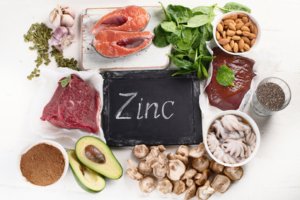 Our skin is among the body’s organs that contains the most zinc, and the trace element is of vital importance to the formation and protection of skin cells. A zinc deficiency can therefore contribute to poor wound healing, sensitive skin, acne, eczema and other skin disorders, and hair loss, according to a new study that is published in the scientific journal Nutrients. Although clinical zinc deficiencies are rare in our part of the world, sub-clinical deficiencies are rather common. For instance, vegetarians, pregnant and breastfeeding women, and older people are particularly vulnerable. A large intake of sugar, calcium, and alcohol, the use of birth control pills and several types of medicine, plus certain diseases and other factors can also increase your risk of becoming zinc-deficient.
Read more about zinc, wound healing, skin diseases, and hair loss
- Created on .
 If you have a large waist circumference, you are more likely to have low blood levels of
 Everyone has the desire to stay as youthful as possible, to be healthy, and to be able to enjoy senior life with good cognitive functioning and the ability to remain physically active. Of course, this requires that we take good care of ourselves, and a healthy diet is extremely important. It turns out that having high blood levels of
 Although humans generally live longer now, an increasing number of people suffer from chronic diseases. Our medicine consumption is steadily increasing, yet the underlying causes are not addressed, and it is often down to a lack of essential nutrients. Just think of
 Epidemiological studies have led to different results when it comes to
 More and more people get autism. The disease is linked to, among other things, lack of
 One in nine Danish women gets breast cancer. Diet and lifestyle play a major role, and now an American study shows that
 Having healthy-looking hair means a lot to most people. Hair that splits at the ends, hair loss, and other hair problems may be caused by stress, hormone changes, and numerous other factors. In this article, we will take a closer look at the diet and its impact on hair health, and we will look at available studies of protein, iron, zinc, selenium, silica, B vitamins, vitamin D and vitamin A. The fact is, we need plenty of these nutrients in a form that the body can absorb and utilize. On the other hand, getting too much can do more harm than good, according to an article in Dermatology Practical & Conceptual, in which the author has analyzed the available research.
 Scientists have discussed for quite some time to what extent
 It is commonly known that
 Salt is a flavor enhancer, and the good news is that salt is not as harmful as previously thought. In fact, salt is essential when consumed in the right quantities, and for most people, it poses no health risk to consume up to five grams – or two and half teaspoons – of salt daily, according to a study that is published in the Lancet. Many people on anti-hypertensive drugs are advised to cut back on their salt intake, but it takes more than that. In fact, it is