


Increased focus on mitochondrial disorders
- with links to cancer, Parkinson’s disease, and other neurological disorders
 The mitochondria are the powerhouses of our cells that churn out energy in a process that involves oxygen, Q10, selenium, and other nutrients. Around 100 years ago, the German Nobel Prize winner, Professor Otto Warburg, demonstrated that even if cancer can be caused by a number of secondary factors, there is only one primary cause: alterations in the mitochondrial oxygen turnover. In his recent book, Tripping over the Truth, molecular biologist Travis Christoffersen describes how contemporary scientists confirm Warburg’s theories and says that we need to look at prevention and cancer treatment from an entirely different angle. Other studies show that Parkinson’s disease, migraine, senility, chronic fatigue, fibromyalgia, epilepsy, and other neurological disorders may be rooted in defects of the mitochondria that have many other functions besides delivering energy. It is therefore vital to take care of the mitochondria throughout life. You can read more about the ketogenic diet that optimizes mitochondrial energy turnover in different mitochondrial diseases.
- Created on .
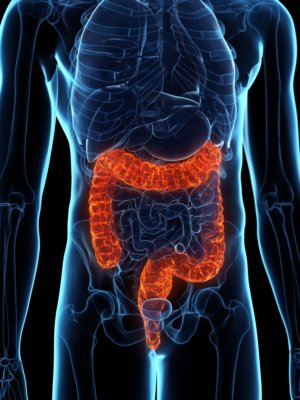 Irritable bowel is the most common intestinal disorder and affects around 15 percent of the population. The symptoms are typically unstable digestion, flatulence, constipation, diarrhea, stomach pain, and intestinal cramps. Several studies have shown that lack of
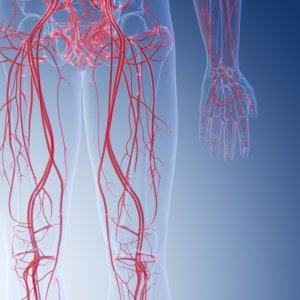 Peripheral circulatory disorders are primarily caused by clogged blood vessels in the extremities. Symptoms typically include walking-induced leg pain, cold hands and feet, or impotence caused by a poor blood supply. According to a new study that is published in the science journal Lipids, people with peripheral circulatory disorders have lower levels of

 Swiss scientists have observed that if you take a type of
 Our ability to absorb
 According to a new study from Johns Hopkins University in the United States,
 Everyone is talking about the climate, and meat has lost popularity for a number of reasons. But let us keep our heads clear on the facts. There is a big difference between CO2 emissions, animal welfare, and the quality or quantity of meat on one hand and the nutritional aspects of meat on the other hand. Humans have been eating meat (including fish) for around two million years, and animal food sources have contributed to our large brains and development in general. Nonetheless, more and more people choose to become vegetarians, and the trend is especially popular among women. This gives rise for concern, as lack of protein, vitamin D, vitamin B12, iodine, selenium, iron, zinc and omega-3 fatty acids not only impairs fertility but even increases the risk of metabolic disorders, serious growth disturbances in children and a lot more. Some of these symptoms are insidious and therefore difficult to link to the diet.
 Type 2 diabetes is spreading like a bushfire, and taking the diabetes drug metformin increases the risk of
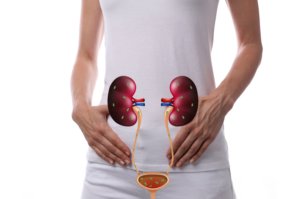 Bladder infection is one of the most widespread bacterial infections. It can lead to serious complications such as kidney infections and blood poisoning. A team of scientists from University of Queensland in Australia has discovered new details about


 Lack of