


Many over50s lack vitamin B12 and folic acid
- and it increases their risk of fatigue, sleep problems, dementia, and neurological diseases
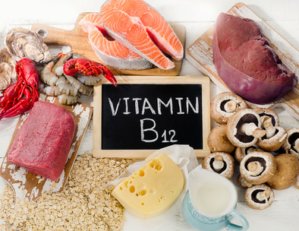 According to a big Irish study, a large part of the population from aged 50 and older lack vitamin B12 and folic acid. This increases their risk of a number of chronic diseases and lack of cognitive skills because the vitamin deficiencies are not discovered and treated. Because older people can lack vitamin B12 and folic acid for a number of reasons, scientists suggest enriching staples. Dietary guidance and supplements are also useful strategies to be on the safe side.
- Created on .
 It is well established that
 Lack of sleep is common among children and adults. It increases the risk of overweight, diabetes, cardiovascular diseases, blood clots, depression, infections, and a number of other diseases. Lack of
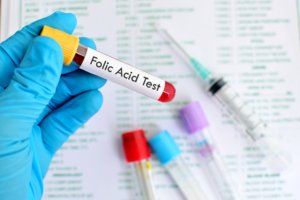 Hypertension is a growing problem. Worldwide, it causes more premature deaths than any other risk factor. Chinese researchers have now found that supplementation with a combination of folic acid and anti-hypertensive medicine lowers the risk of stroke by nearly 75 percent. It is important to underline that many people have elevated blood pressure without knowing about it, and many things can cause a
 Supplementing with strong antioxidants such as beta-carotene, vitamin E, selenium, and coenzyme Q10 may help patients with cystic fibrosis by reducing a number of the respiratory infections that come with the disease. This was seen in a study by researchers at the Children’s Hospital Colorado and the University of Colorado, United States.
 Women from the age of 50 years and older have an increased risk of blood sugar problems, weight problems, cardiovascular disease, and metabolic syndrome, if they lack
 A new Chinese study that is published in the science journal, Heart, shows that eating an egg every day can lower your risk of stroke by 26 percent. The reason is that eggs contain
 A cold beer with lunch or a glass of red wine to go with your steak may be tempting. In fact, alcohol in limited amounts can be relaxing and it provides beneficial antioxidants. However, Danes drink too much, and our excessive alcohol consumption is one of the worst threats to public health. Many alcoholics suffer from unstable blood sugar levels, which can have a rather bad impact on their willpower. In addition, the empty calories deplete the body’s levels of vitamins, minerals, and essential fatty acids, on which the nervous system, the brain, and the liver depend. This can easily turn into a vicious cycle. Therefore, having stable blood sugar and making sure to get plenty of vital nutrients is important for preventing and treating alcohol abuse.
 Decades of research show that there is a link between lack of vitamin D and an increased risk of breast cancer. Vitamin D deficiencies are especially common at the northern latitudes because the sun sits too low in the sky for humans to be able to synthesize the vitamin during the winter. However, even in the southern hemisphere, many women have too little vitamin D because of spending too much time indoors, using too much suncream, or veiling themselves. Vitamin D has many anti-cancer properties, and postmenopausal women with too little vitamin D in their blood, who are diagnosed with breast cancer, have worse odds, according to a study of Brazilian women. In other words, it is not enough to treat breast cancer with surgery, chemotherapy, and radiation. You also need to optimize your blood levels of vitamin D and other nutrients, which the body needs in order to function optimally.
 Birth control pills are commonly used as a source of prevention. Most women seem to tolerate the pills rather well, but there are known side effects such as headaches, mood swings, and a slightly increased risk of blood clots and breast cancer. The different side effects are a result of the birth control pills and their disturbing impact on various enzyme processes, which depend on most B vitamins, vitamin C, magnesium, selenium, and zinc. Vitamin C, zinc, and selenium also serve as effective antioxidants that protect our cells and cardiovascular system against oxidative stress. It is therefore essential to get plenty of these nutrients in order to lower the risk of side effects.
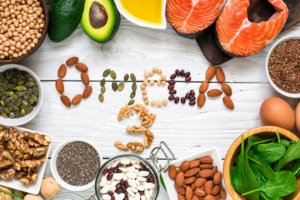 A growing number of people are affected by depression and anxiety, and there are quite a few who do not benefit from their medicine, which in some cases may even cause side effects. Earlier studies show that lack of
 We need
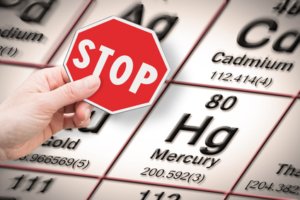 The most harmful heavy metals are mercury, cadmium, lead, nickel, and cobber, but aluminum, fluoride, iron, and calcium can also be toxic. Poisoning with heavy metals and minerals blocks other minerals such as selenium, iodine, magnesium, and zinc, all of which support numerous essential enzyme processes. At the same time, if you lack these important minerals, heavy metals are able to cause unhindered damage and increase your risk of impaired immunity, impaired fertility, autoimmune diseases, thyroid diseases, brain damage, neurological diseases, depression, hypersensitivity, etc. Chronic heavy metal toxicity is an overlooked problem, but in this article, you can read more about the subject and find out how to deal with it.