


People with diabetes can improve insulin resistance and oxidative stress with zinc supplementation
 Type 2 diabetes is characterized by insulin resistance, oxidative stress, and other metabolic disturbances. As a result, the risk of overweight, fatigue, cardiovascular disease, nerve damage, erectile dysfunction, and other symptoms increases. Diet and lifestyle play an important role, and it now appears that zinc supplementation is associated with improvements in insulin sensitivity, blood sugar levels, and markers of oxidative stress in individuals with diabetes. This is shown by a meta-analysis published in Endocrinology, Diabetes & Metabolism.
Type 2 diabetes is a metabolic disease that is spreading like an epidemic with an estimated 560 million people being affected by 2030. As its prevalence increases, the disease is also becoming an increasing socioeconomic burden. Type 2 diabetes typically begins as prediabetes with insulin resistance, in which the cells’ ability to take up blood sugar is reduced. As a result, persistently elevated insulin and blood sugar levels occur, causing weight gain. It is especially the dangerous visceral fat around the internal organs that causes oxidative stress as a result of chronic inflammation. This condition is characterized by an excess of free radicals, which eventually cause damage to blood vessels, increasing the risk of atherosclerosis and cardiovascular disease, including diabetic neuropathy. Type 2 diabetes is also characterized by strain on the liver and an impaired lipid profile, including imbalances between LDL cholesterol and HDL cholesterol.
Gestational diabetes is a temporary form of elevated blood sugar, while type 1 diabetes is caused by autoimmune reactions in which the insulin-producing cells of the pancreas are destroyed. These forms of diabetes are less common.
It is known that the trace element zinc plays a key role in the production and storage of insulin in the pancreas and functions as an important antioxidant that protects the body against free radicals. The new study therefore set out to investigate, for the first time, whether zinc supplementation has an effect on insulin resistance and other parameters in people with diabetes.
Zinc supplementation improves several parameters associated with diabetes
Trawling databases such as PubMed/MEDLINE, Web of Science, Scopus, CINAHL, and Google Scholar, along with relevant search terms, the researchers identified a number of randomized controlled trials (RCTs) investigating the effects of zinc supplementation in individuals with type 1 and type 2 diabetes, gestational diabetes, and prediabetes.
The new meta-analysis included 18 studies with a total of 1,023 participants who received between 4 and 75 mg of zinc daily or placebo. The studies lasted an average of 20 weeks. In most of the studies, participants received daily supplements of between 30 and 50 mg. In some studies, zinc was combined with vitamin A, magnesium, or turmeric, which also have an impact on blood sugar, circulation, and antioxidant activity. The meta-analysis revealed that zinc supplementation had the following effects:
- Significant increase in plasma zinc concentration
- Improvement in insulin resistance through reductions in blood insulin levels and the HOMA-IR marker (homeostasis model assessment for estimated insulin resistance)
- Moderate reduction in total cholesterol
- Improvement in markers of oxidative stress, including CRP (C-reactive protein) and MDA (malondialdehyde)
- Increase in the body’s total antioxidant defense
The researchers therefore conclude that zinc supplementation is associated with improvements in insulin resistance, chronic inflammation, and oxidative stress in people with type 1 and type 2 diabetes, gestational diabetes, and prediabetes.
The researchers also assume that zinc may have therapeutic potential as part of diabetes treatment and are calling for larger studies in this area.
Where is zinc found, and why are people with diabetes often deficient?
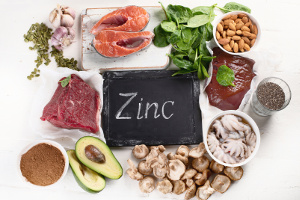
Zinc is found primarily in protein-rich foods such as meat, fish, shellfish, eggs, and legumes. Zinc is most readily absorbed from animal sources. Therefore, a diet low in protein or a vegetarian diet dominated by refined carbohydrates and poor-quality vegetable oils may be low in zinc. In addition, alcohol abuse, low stomach acid, medications for stomach acid and heartburn, diuretics, and other types of medication can impair zinc absorption and utilization.
Because the body does not have a dedicated zinc storage system, a zinc-poor diet and other factors can easily result in greater or lesser degrees of deficiency.
The official daily recommendations for zinc range from 7 to 20 mg in different countries, while the upper safe intake limit is 25–40 mg per day. As shown in the study, higher supplemental doses of 50–75 micrograms can be given for several months, and people with diabetes may perhaps have a greater need than others. However, excessive zinc supplementation over the long term can interfere with the utilization of iron and copper.
Reference:
Jessica Paola Loaiza-Giraldo et al. Effects of Zinz Supplementation on Glycemic Control, Insulin Resistance, Inflammation and Oxidative Stress in Diabetes: A Systematic Review and Meta-Analysis of Randomized Controlled Trials. Endocrinology, Diabetes & Metabolism. 13 August 2026
TIP! See also the related articles
Search for more information...

- Created on .