


Omega-3 fatty acids protect the brain by keeping the blood-brain barrier closed
 It is common knowledge that omega-3 fatty acids are vital for our brain development and nervous system. Now, researchers from Harvard Medical School in the United States have discovered that they also play an important role in maintaining the blood-brain barrier that protects the central nervous system against bacteria and toxins.
Read more about how omega-3 fatty acids protect the brain by keeping the blood-brain barrier closed
- Created on .
 A new British study that is published in British Journal of Nutrition shows that getting too little vitamin D during pregnancy has a negative effect on the social development and motor skills of the toddler. Vitamin D is believed to play a role in brain development. It is vital for the pregnant mother to pay careful attention to getting enough vitamin D all year round, as our modern lifestyle with indoor activities, our frequent use of sunscreen with high sun factor, being overweight, and having dark skin contribute to the widespread deficiency of this nutrient.
 An estimated 350 million people worldwide suffer from depression, a disease with huge economic and human costs. Not everyone benefits from the traditional medical treatment, which can even cause various side effects, so there is every reason in the world to aim for more prevention and better therapies. A new study that is published in PLoS One shows that magnesium supplements are effective as an adjuvant in mild or moderate depression. The researchers have also discovered which biochemical effect magnesium has on mood.
 A substantial number of people suffer from Hashimoto’s disease, a condition that causes hypothyroidism (slow metabolism), extreme fatigue, cold sensitivity, weight gain, and numerous other symptoms because the cells lack energy. Quite a few people suffering from this disease receive treatment, but the results are often unsatisfactory, and most people have not been given the correct diagnosis or do not receive proper help.
 A groundbreaking new Australian study shows that something as simple as a vitamin B3 supplement can prevent miscarriages and congenital defects of the heart and other organs. This is because the nutrient is involved in the body’s production of NAD, a molecule of vital importance to fetal development. Because vitamin B3 deficiencies are common, it is important to have increased focus on the vitamin, especially in connection with pregnancy.
 An international team of researchers has just completed a huge study of the possible link between maternal DNA, selenium deficiency, and preterm labor. Earlier studies have shown that women with low blood selenium have an increased risk of preterm birth and that selenium supplementation may lower that risk. A problem in that respect is that climate changes and soil depletion may increase the risk of selenium deficiencies, especially in Europe.
 A new study shows that vitamin B3 has the potential to prevent skin cancer and melanoma, which is the most dangerous type of skin cancer. Apparently, vitamin B3 can boost the body’s repair of DNA damage caused by UV radiation from the sun or sunbeds.
 According to a study from Ohio State University, Columbus, USA, people suffering from dry eyes may find relief by consuming more oily fish or taking a fish oil supplement.
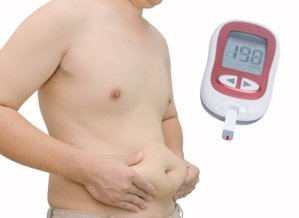 Vitamin D deficiencies are widespread among people who are overweight or have type-2 diabetes. However, researchers have not been able to explain the exact link. A study done by researchers from Baylor College of Medicine, Houston, Texas, suggests that it has something to do with vitamin D’s role in the brain, where the nutrient helps control both weight and blood sugar levels.