


To lose weight – make sure to focus on your diet’s energy distribution, Q10, and three minerals
 Forget about keeping track of calories if you want to shape up. Weight loss is about eating the right kinds of food, and ensuring an optimal blend of carbohydrates, fat, and protein that guarantees satiety for four to six hours so you are not tempted by quick energy fixes. Continue reading and find out more about why it is so important to get plenty of Q10, iodine, selenium, and chromium for permanent results. The question is, why is it difficult to get enough from a normal diet? And why are so many people suffering from weight problems caused by metabolic disorders and insulin resistance?
- Created on .
 Type 2 diabetes and early stages of the disease such as insulin resistance are spreading like a bushfire. The good news is that if you consume many antioxidants from fruit, vegetables, berries, tea, and dark chocolate and limit your intake of alcohol, you can lower your risk diabetes risk. This was shown in a new study that is published in the European journal Diabetologia, which focuses on diabetes research.
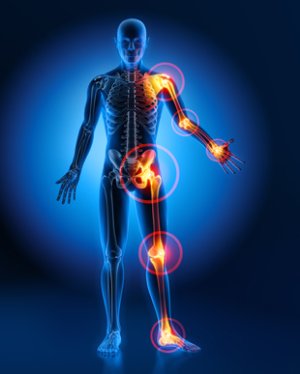 It is hardly a coincidence that many patients with arthritis feel worse during the winter period where the sun sits too low in the sky for us humans to be able to synthesize vitamin D. In patients with rheumatoid arthritis, there is a direct link between vitamin D levels and neuropathic pain caused by irritated nerves. This was shown in a study that is published in International Journal of Rheumatic Diseases.
 All B vitamins work together as a close-knit team, and they are involved in most of the body’s enzymatic processes. For that reason, lacking one or several B vitamins may cause a long list of different symptoms. We humans depend on a regular supply of B vitamins. A wholesome smoothie or a multivitamin in the morning is no guarantee that the body has enough B vitamins for the rest of the day. Add to that the fact that some factors can impair our nutrient absorption and increase our need for B vitamins. But if you keep your body adequately supplied with B vitamins at all times throughout life, it can work wonders.
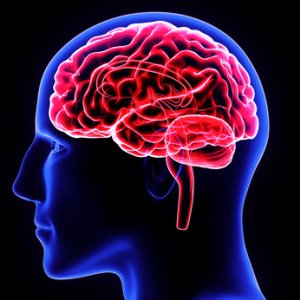 It is commonly known that vitamin C has an essential role in our connective tissue and immune defense. However, vitamin C is also vital for the brain. This was demonstrated in a new Australian study of the link between vitamin C and cognitive functions like memory, lingual skills, calculation, and orientation. The scientists also point to the fact that vitamin C deficiency is rather common in western countries, either due to dietary factors or because of conditions that increase the need for the nutrient.
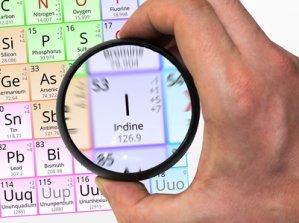 It appears so. Iodine is an essential trace element that is vital for metabolism and estrogen balance. Iodine also helps the body get rid of environmental toxins. In fact, exposure to these toxins increases our need for iodine, and many experts believe that the official recommendations for iodine are too low.
 Taking a supplement of vitamin D in combination with your prescription asthma medicine may halve your risk of an asthma attack that would require hospitalization, according to a new meta-analysis from Queen Mary University in London (QMUL). A vitamin D deficiency alone, which is rather common at northern latitudes, can increase the risk of asthma. Therefore, it is vital to make sure to have sufficiently high levels of this nutrient all year round to protect your respiratory tract.
 Decades of intensive farming have depleted the soil. As a result, crops lack up to 40% of their essential nutrients, according to a previously published study from University of Texas and a more recent one from Switzerland. Even if you stick to the official dietary guidelines, you may have difficulty with getting enough calcium, selenium, zinc, iron, vitamin B2, vitamin C, and other essential micronutrients that are required for good health.
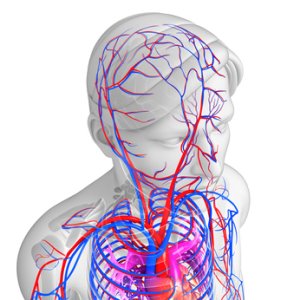 People with elevated levels of omega-3 fatty acids in their blood have better circulation in those parts of the brain that handle learning, language, memory, and other cognitive functions, according to a recent report that is published in the Journal of Alzheimer’s Disease. The scientists also observed a link between blood levels of omega-3 and the rate of dementia and depression. They call their study an important discovery that supports earlier studies, which have shown how simple dietary adjustments such as increasing your intake of oily fish or fish oil supplements help preserve mental skills and a healthy mind.