


Intravenous vitamin C increases survival in patients with blood poisoning or sepsis
 Blood poisoning, also called sepsis, is a life-threatening condition that requires immediate medical attention. A combination of high-dosed, intravenously administered vitamin C may, however, shorten the hospital stay and lower the risk of dying, according to a study that is published in Journal of the American Medical Association. The study supports earlier research where a combination of intravenous vitamin C and vitamin B1 delivered even better results. These are simple and inexpensive therapies that can save lives by supporting the immune system and limiting damage to the cardiovascular system, the lungs, and other tissues.
Read more about how intravenous vitamin C increases survival in patients with blood poisoning/sepsis
- Created on .
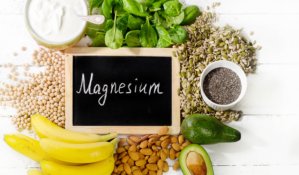 More and more people are affected by depression, and many do not benefit from medical therapy, which may even cause serious side effects. It is already known that magnesium supplementation can relieve symptoms of depression, but science does not fully understand the exact mechanisms, and it is uncertain magnesium levels in the blood can be used to predict the outcome of therapy. A team of scientists from University of Vermont, USA, wanted to study this closer and they managed to find a relation. It is important to remember not to consume too much calcium in relation to magnesium, as this may stress the cells and set the stage for depression and variety of diseases. The question is how much of these two essential nutrients do we need?
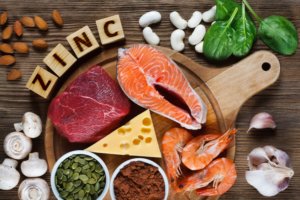 Pneumonia is a serious disease, from which more than one million people die each year. A team of scientists from Melbourne University in Australia has now discovered how the trace element zinc strengthens the immune system and helps it fight pneumococcus, which is the leading cause of pneumonia. Their research also shows that zinc deficiencies are rather common. Getting too little zinc can be a result of poor eating habits as well as vegetarian and vegan diets. There is also the fact that ageing processes, sugar, birth control pills and inorganic iron supplements can impair the body’s uptake and utilization of zinc. If the immune system lacks this vital nutrient, it may increase your risk of sick days and perhaps even be life-threatening in worst case.
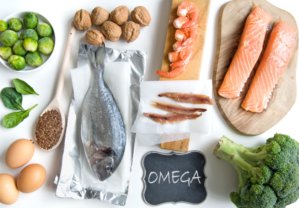 The global differences in prostate cancer rates reveal that this type of cancer is associated with lifestyle. For example, Inuits have a very low rate of prostate cancer, which is attributed to their high intake of omega-3 fatty acids from seal, salmon, and other maritime sources. It turns out that the content of the omega-3 fatty acid EPA in prostate cells is a determining factor for how and if the disease develops, according to a new study that is published in Nutrients. Selenium also has anti-cancer properties, especially with relation to prostate cancer, and there are other dietary measures that can make a difference.
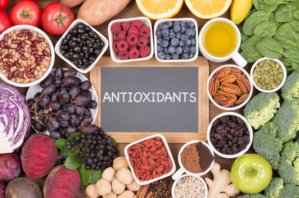 Elevated blood pressure is the main cause of stroke, cardiovascular disease and early death. For quite some time, there has been evidence that intake of fruit and vegetables affects the risk of developing elevated blood pressure. Science has not yet studied if this is due to the antioxidants in our diets, but a team of French scientists has looked closer at this. The researchers found that the total amount of antioxidants in our diet may lower by 15 percent the risk of elevated blood pressure. The potassium in fruit and vegetables also play a determining role in blood pressure management, and the same goes for Q10 – provided you take quality supplements with proper absorption.
 Everyone knows that exercise and sports activities are good for you, but overtraining and high-performance sport may increase your risk of oxidative stress, which is associated with acute injuries, inflammation and later risk of neurodegenerative disease such as Alzheimer’s disease and ALS (amyotrophic lateral sclerosis). It is therefore a good idea to take antioxidant supplements, as this may help prevent both acute and chronic injuries. A comprehensive article published in the science journal Nutrients looks closer at the relation between free radicals and antioxidants, which have different functions in connection with various types of physical activity. This is especially the case with vitamins A, C, and E plus selenium and zinc. It is also important to make sure to get enough vitamin D and omega-3 fatty acids for counteracting inflammation and oxidative stress.
 Allergic diseases such as asthma, hay fever, food allergies and contact dermatitis are becoming increasingly common. It makes a big difference to breastfeed for at least six months because breast milk contains various compounds that strengthen the child’s gut flora and immune defense. Vitamin D supplements are also important, and Icelandic research suggests that is pays off to continue giving them to children until the age of six years. Unfortunately, many parents forget to give their children vitamin D until the age of two, as recommended. Also, many children get too little sunlight during the summer period and don’t get vitamin D supplements when it is winter, and that is something we all need at these latitudes.
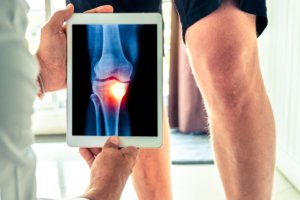 Increased intake of magnesium from dietary sources or from supplements is associated with significantly healthier knees, including improvements like thicker cartilage. But many people lack magnesium and that most likely helps explain the widespread problems with knee osteoarthritis, according to a study that is published in the journal Nutrients. If you already have osteoarthritis, taking pharmaceutical-grade glucosamine may help.
 A good night’s sleep with accompanying dream activity is essential. It helps us recharge our batteries and process the things that have happened during the day. Magnesium is important for our ability to relax, which helps us fall asleep faster. According to an Australian study, high-dosed supplementation with vitamin B6 just before bedtime helps us remember our dreams. Moreover, magnesium and vitamin B6 have a synergistic effect on stress, so it is vital to get enough of these nutrients, as stress is a frequent cause of poor sleep. Magnesium and vitamin B6 are also important for the body’s ability to produce the sleep hormone melatonin.