


Vitamin D supplements help cancer patients live longer
- and the nutrient also has anti-cancer properties
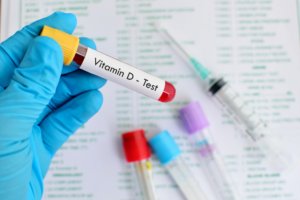 Cancer patients, who take high-dosed vitamin D supplements for at least three years may live longer, according to a study from Michigan State University, USA. It is not enough to treat cancer with surgery, chemotherapy and radiation. You also have to optimize the body’s vitamin D status. It is a problem that vitamin D deficiency is so common because it helps long-term prevention if you have adequate levels of the nutrient in your blood. The question is how much do we need, and is the sun sufficiently powerful to enable us to synthesize vitamin D in our skin during the winter period?
Read more about vitamin D supplements and how they help cancer patients live longer
- Created on .
 A woman’s estrogen balance is of vital importance to her fertility, mucosa, mood, libido, bones, cancer preventions, and many other things. There are also many myths about estrogen, which is merely a common term for the three types of estrogen – estradiol, estrone, and estriol – that have widely different functions. Like progesterone, stress hormones, and testosterone, estrogen belongs to the group of steroid hormones, where one hormone is built from another with help from enzymes. These enzymes depend on various nutrients such as iodine, vitamin D, magnesium, and selenium. If we lack these nutrients it may increase our risk of hormone imbalances, hot flushes, dry mucosa, bladder problems, and breast cancer.
 Intensive care units in hospitals offer treatment for critically ill patients, who are monitored and receive specialist care around the clock. It goes without saying that this type of medical attention is associated with both suffering and comes with a huge price tag. A whole new meta-analysis has shown that vitamin C supplementation is an inexpensive way to shorten the duration of intensive care hospitalization by eight percent. The reason is that vitamin C has a host of important functions in the body, including an ability to speed up the healing process.
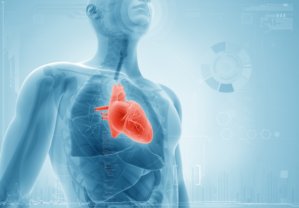 The majority of supplements with vitamins and minerals fails to extend life or protect against cardiovascular disease, although fish oil does seem to have a good effect, according to a large review from John Hopkins University. On the other hand, a Danish study shows that blood levels of vitamin D are crucial for a person’s expected lifespan, and a groundbreaking Swedish study shows that patented supplements with Q10 and selenium benefit older people by improving their cardiac health and reducing cardiovascular mortality by 50%. What matters is to use supplements that contain nutrients in the right quantity, which have a proper quality and can be absorbed by the body. In the following, you can read more about the different studies and learn how you can improve your heart health and increase your chances of a longer life.
 A growing number of children and teenagers suffer from anxiety, depression, and behavioral problems. Although there may be a number of underlying causes, it appears that vitamin D deficiency may be a contributing factor, according to a study that is published in the Journal of Nutrition. The problem is only made worse by the fact that many youngsters get too little sunlight during the summer period and that sun awareness campaigns warn against sun exposure without informing people about alternative ways of getting vitamin D. Vitamin D is important for bones but also for the brain, the nervous system, the immune defense, and many other physiological processes.
 The whole climate debate has made it increasingly popular to become a vegetarian or a vegan. However, according to a new and comprehensive study from Oxford, this choice of lifestyle may have grave health consequences and can increase your risk of apoplexy, also known as stroke, cerebral hemorrhage or cerebral thrombosis. The study is published in British Medical Journal. Earlier studies also give rise to concern, as a plant-based diet often lacks protein, vitamin D, vitamin B12, iodine, selenium, iron, and omega-3 fatty acids, and that can increase the risk of thyroid disorders, neurological disorders, infections, chronic inflammation, impaired fertility, growth disturbances in children etc. Some of these deficiencies are insidious and difficult to link to the diet.
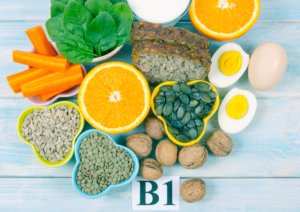 Alcohol is one of the most compromising factors when it comes to public health, and alcohol abuse comes at an enormous cost, both to the individual and to society. A large alcohol consumption contributes as a factor to insidious dementia, but according to a new study from Taiwan, supplementing with vitamin B1 (thiamine) may prevent alcohol-induced dementia. The scientists that have conducted the study therefore point to vitamin B1 supplementation as having an important role in the treatment plan for people with alcohol abuse problems and to prevent dementia from developing or progressing.
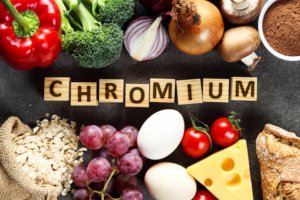 Each Dane consumes 12.3 kilos of candy on average every single year, which makes Denmark the single largest candy eaters worldwide, according to Euromonitor that has studied candy consumption in 100 different countries. This rather unhealthy champion status has a number of grave health consequences, as it affects our blood sugar levels, energy levels, and ability to concentrate. In the long run, it may lead to dependence on these quick “energy fixes” and contribute to problems with the immune system, insulin resistance, overweight, diabetes, digestive disorders and other lifestyle diseases. To make things worse, there is all the concealed sugar that we get from our diet. A new science project aims at developing methods for helping families improve their daily health. In the following, you can read more about the dangers of consuming too much sugar and what you can do to stabilize your blood sugar by distributing your energy intake and taking a supplement of the trace element chromium.
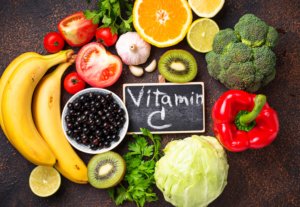 Vitamin C plays a key role in our energy turnover, immune defense, connective tissue, wound healing, antioxidant protection, cardiovascular health, brain, and a host of different enzyme processes. An English population study has shown that having low blood levels of vitamin C is associated with poor physical condition and that may spawn a number of different symptoms. The researchers behind the study also found that people from lower social classes, smokers, men, and older people in general are more likely to be deficient. Alcohol abuse, sugar abuse, stress, and poisoning may also increase the need for the nutrient, which means that many people may benefit from taking a supplement or improving their diet. The big question is how much vitamin C do we actually need for optimal health?