


Can increased magnesium intake protect women against life-threatening heart failure?
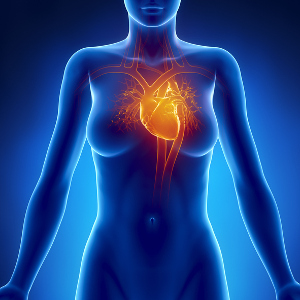 There is a clear link between magnesium intake and the risk of heart diseases and sudden cardiac death in postmenopausal women, according to a study that is published in Journal of Women’s Health. Unfortunately, many women are not diagnosed with heart disease at a sufficiently early stage. It is also a fact that many postmenopausal women take calcium supplements for bone health. However, if they also lack magnesium, which is responsible for the calcium distribution in the body, the calcium supplements may instead increase the risk of coronary atherosclerosis. According to new and earlier research, we must focus a lot more on telling women how important it is to get enough magnesium at all stages of life – not least after menopause.
Read more about magnesium and how it protects women against life-threatening heart failure
- Created on .
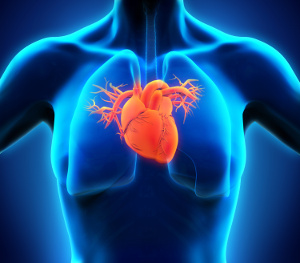 Chronic heart failure is a potentially life-threatening condition that affects millions of people worldwide. A group of scientists recently looked at the relation between chronic heart failure and zinc deficiency and how zinc supplementation can improve heart health by various accounts. The scientists also investigated why zinc deficiencies are so common. Their study is published in the Journal of Cardiac Failure.
 Many young men have poor sperm quality and the underlying cause is often unknown. The health of sperm cells depends a lot on omega-3 but a large number of men lack these essential fatty acids. Fish oil supplements have been shown to improve several sperm parameters, according to a large Danish study that is published in JAMA. The scientists behind the study suggest that men may benefit from taking fish oil supplements to improve their fertility and increase the odds of successful conception. However, they also point out that it typically takes one to two months for the optimal effect to show, and you must continue taking the fish oil supplement to maintain the results.
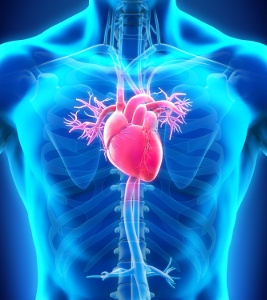 Atrial fibrillation is a rhythm disturbance in the electrical system of the heart. It is also one of the most common heart disorders and can be both harmless and potentially life-threatening. Lack of vitamin D increases the risk of normal atrial fibrillation and postoperative atrial fibrillation, according to a meta-analysis that is published in the scientific journal Nutrition. Vitamin D deficiencies are rather common so it is important to make sure to get enough of the nutrient for preventing and treating this disorder.
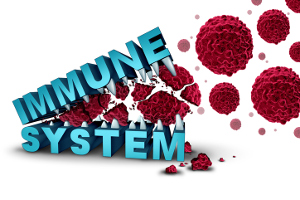 It is not the actual COVID-19 virus that can become lethal. It is the immune system’s overreaction with hyperinflammation and a storm of cytokines that destroys healthy tissue in the lungs, the cardiovascular system, and other places in the body, according to a new article that is published in The Lancet. The capacity of the immune system determines if an infection like COVID-19 is either harmless or life-threatening. For that reason, hygienic measures, masks, isolation, and delayed vaccines are not sufficient. We also need to bolster our immune system against COVID-19 and other pandemics that may occur in the future. Let’s look closer at vitamin C, vitamin D, selenium and zinc, all of which are essential for preventing a well-functioning immune system from going off its rails. What is also worth mentioning is that many people lack these nutrients, especially older people and other exposed groups.
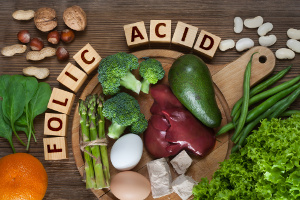 Folic acid supplements are typically recommended to people with anemia and to expecting mothers. However, folic acid supplements can also be important for the cardiovascular system, the brain and memory, and for preventing stroke. The widespread lack of this nutrient is a result of poor diets, pregnancy, ageing, alcohol abuse, and the consumption of birth control pills and various types of medicine.
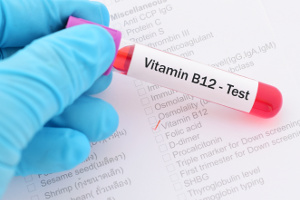 Lack of vitamin B12 can cause pernicious anemia, which WHO considers a global threat. Vitamin B12 is primarily known for its role in red blood cell formation, whereas its role in the brain and nervous system is often overlooked. A vitamin B12 deficiency can easily lead to disabling damage if it goes unnoticed. Pernicious anemia is an autoimmune disease that prevents people from absorbing vitamin B12 from food. The condition is potentially life-threatening but is difficult to diagnose and many people go untreated, according to Associate Professor Heidi Seage, who is affiliated with the Pernicious Anaemia Society. A worsening factor is the climate debate that has inspired an increasing number of people to turn to vegetarianism and veganism. Plant-based diets are known to cause vitamin B12 deficiency, and the problem is insidious and therefore not easy to detect. The use of diabetes medication (such as metformin) can also deplete the body’s levels of vitamin B12
 PMS (premenstrual syndrome) is quite common among women of childbearing age and can easily make their lives miserable for years, causing both physical and mental discomfort several days a month. A possible cause can be lack of vitamin D, and it looks as if high-dosed supplementation with the nutrient can relieve PMS by controlling inflammation markers and influencing the body’s antioxidant capacity. This was shown in an Iranian study that is published in Scientific Reports. It is worth noting that we need magnesium to activate vitamin D in order for the body to be able to use it optimally.
 Selenium is of vital importance to a strong immune defense. Still, selenium deficiency is a common problem and it increases the risk of viral infections such as influenza and the coronavirus from China, which is feared to turn into a global pandemic. It is a problem that selenium deficiency in infected animals and humans causes the virus to mutate and become more aggressive. Because of selenium’s important role as a powerful antioxidant, being deficient of this micronutrient may leave the body vulnerable to oxidative stress, which can cause tissue damage and complicate the virus infection. It is therefore important to get enough selenium at all times, as it also increases our resistance towards other viral infections such as herpes, HIV, and hepatitis, according to an article published in Nutrients.