


Lack of omega-3 increases your risk of breast cancer
- but fish oil helps as prevention
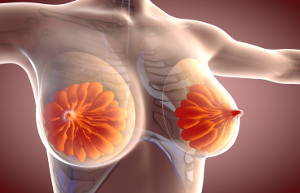 Breast cancer is the number one cause of cancer-related deaths among women worldwide. The diet has huge importance and according to a new Polish study, eating more fish with omega-3 fatty acids may help lower the risk of developing the disease. The study supports earlier research by showing that in order to prevent breast cancer, it is vital to consume plenty of omega-3. The best sources of these essential fatty acids are oily fish and fish oil supplements. The preventive effect of omega-3 is increased additionally if you also get plenty of vitamin D and selenium.
- Created on .
 The number of children and adolescents with ADHD has skyrocketed in the past decade, and the human and socioeconomic costs are enormous. A major cause may be the widespread problems with vitamin D deficiency, according to a study from Turku University in Finland. It does not make things any easier that sun awareness campaigns fail to give people an alternative way of getting enough vitamin D all year around, and it is also a problem that many pregnant women don’t take their supplements as recommended.
 The mitochondria are the energy-producing powerplants in cells that have numerous essential functions. They need plenty of vitamin D, which we get from the sun, but they also require melatonin, a substance that we synthesize in response to nightfall. Around the clock, these two compounds complement each other in protecting the mitochondria and the cells. But ageing and our modern lifestyle may reduce the body’s ability to produce the two substances and this may lead to insomnia and a host of different diseases such as infections, type 2 diabetes, atherosclerosis, dementia, and cancer. Of course, older people are more vulnerable. However, with supplements it is possible to compensate for the reduced endogenous synthesis of melatonin and vitamin D, according to an article that is published in The Journal of Steroid Biochemistry and Molecular Biology.
 An international science team from the University of Surrey in England has found a link between low selenium levels in the soil and the risk od COVID-19 infections becoming lethal. Professor Margaret Rayman, who headed the study, has spent decades studying the global lack of selenium that is known to impair the ability of the immune system to tackle virus infections and new epidemics. The farmlands in large parts of the world, including Europe and China, are low in selenium, and it is vital to have more focus on this essential nutrient.
 Australian scientists are about to initiate the first clinical trial of intravenous zinc therapy for COVID-19 patients. Zinc is important for our immune capacity but it also helps counteract organ damage caused by an impaired oxygen supply to the cells and hyperinflammation. Zinc deficiencies are common, especially among older people, chronically ill, and other exposed groups.
 Lack of vitamin D is rather common and taking large quantities of the nutrient can not only protect against virus infections like COVID-19 but even counteract the life-threatening complications in those affected with the disease, according to a new, comprehensive, Irish report (TILDA) from Trinity College Dublin (University of Dublin in Ireland). The TILDA report supports many other published studies showing that the immune system is unable to function without vitamin D. The main focus in the battle against COVID-19 is hygiene, isolation, and delayed immunization with vaccines. However, it is also essential to bolster the immune defense, as this determines the difference between being able to ward off the infection, suffer mild symptoms only, or succumb. The scientists recommend that all adults take a high-dosed vitamin D supplement, especially older people, nursing home residents, chronically ill people, hospital patients, health professionals and other exposed groups. That way, we are better protected against future epidemics.
 Sleep removes toxic waste products from the brain and lack of deep sleep increases the risk of poor well-being, depression, Alzheimer’s disease, cancer, and a host of other diseases. According to the American sleep researcher, Dr. Stasha Gominak, poor sleep quality is often linked to vitamin D deficiency. First of all, we need vitamin D to synthesize acetylcholine, a neurotransmitter that is necessary for reaching the deep sleep stage. Secondly, certain gut bacteria need vitamin D in order to produce vitamin B5 and other B vitamins that are necessary for proper sleep. On the other hand, taking high-dosed supplements with vitamin B5 and B12 may in some cases make it difficult to fall asleep. A healthy sleep pattern requires both vitamin D and B vitamins in the exact right amounts.
 PCOS – or polycystic ovary syndrome – is a problem that occurs in 5-10 percent of women of childbearing age. It is the most common cause of involuntary infertility. Related symptoms include tiredness, hirsutism (male hair growth), acne, and irregular menstrual periods. PCOS is often linked to instable blood sugar, increased risk of insulin resistance, overweight, cardiovascular disease, type 2 diabetes, and autoimmune diseases like Hashimoto’s thyroiditis that causes slow metabolism. Diet and exercise mean a lot in terms of prevention and treatment. The same is the case with different vitamins and minerals. We will be looking closer at B vitamins, vitamin D, vitamin E, and coenzyme Q10, plus magnesium, zinc, selenium, chromium, iodine, and fish oil. We will also be looking at how relevant supplements, according to science, can help control blood sugar levels and the hormone balance.
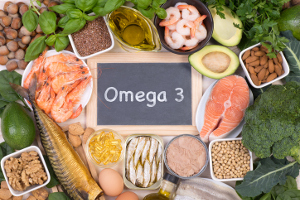 An estimated 334 million people worldwide suffer from asthma, which is associated with chronic inflammation. Increased intake of omega-3 fatty acids may help prevent the disease and improve therapies by reducing inflammation in the upper respiratory tract. Also, omega-3 reduces the need for corticosteroids and other types of asthma medicine. In fact, the diet plays a vital role in the development of asthma, and overweight individuals seem to benefit particularly much from an increased omega-3 intake, according to a study that is published in Nutrients. But how much omega-3 does it take to inhibit inflammation, and why are oily fish and fish oil supplements better sources?