


Fish oil lowers the risk of cardiovascular disease and early death
– and the amount you consume matters
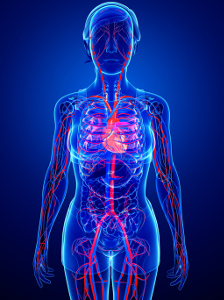 Fish oil contains the long-chained omega-3 fatty acids, EPA and DHA, that have a number of essential functions. Although it has been known for decades that fish oil lowers the risk of cardiovascular disease and early death, study results have been conflicting. Now, a large British population study of over 400,000 people confirms that regular consumption of fish oil supplements has a positive effect on the cardiovascular system and contributes to improved quality of longevity. The scientists also address that the quantity of fish oil may be determining for your health.
- Created on .
 The interplay between vitamin D, magnesium, and calcium is vital for bone health and a number of other things, including cancer prevention. According to a new study that is published in American Journal of Clinical Nutrition, high blood levels of vitamin D and magnesium may lower colon cancer patients’ risk of dying of their disease. However, the current recommendations for vitamin D are not enough to reach optimal blood levels of the nutrient. Moreover, it is of vital importance that magnesium is properly balanced with calcium.
 Fish is good source of omega-3 fatty acids and other nutrients that are important for normal development of the fetus. Still, there has been a lot of discussion about whether or not pregnant women should eat fish, as this is also a source of mercury and other environmental toxins. A whole new study shows that pregnant women who eat moderate amounts of fish tend to give birth to children with a lower risk of diabetes and overweight later in life compared with women that eat very little fish or none at all. Beware that fish often contains mercury but it also contains selenium, which has a protective effect.

 Neurological diseases are on the rise and Alzheimer’s disease is one of the leading causes of dementia. Now, scientists from Boston University have discovered that slow-moving brain waves during our sleep initiate a cleansing process in the brain that protects against Alzheimer’s disease, dementia, and other neurological disorders. Also, a study of men conducted by scientists from Uppsala University in Sweden demonstrated that as little as a single night without sleep increases levels of proteins that serve as biomarkers of Alzheimer’s disease. It is therefore essential to sleep properly every single night so that we can remain mentally alert and vital. In cases where the normal guidelines for healthy sleep prove to be of little use, supplementing with the “sleep hormone” melatonin may turn out to offer relief.
 Coronary occlusion is the leading cause of death worldwide. Type 2 diabetes is spreading like a bushfire and this disease is characterized by atherosclerosis and early death. Diet and lifestyle are of vital importance and the same goes for vitamin D. According to a new American study that is published in Nutrients, people whose blood levels of vitamin D are above the official threshold levels have fewer biomarkers of cardiovascular disease, type 2 diabetes, and metabolic syndrome.
 A lot of sports and fitness disciplines are indoor activities. According to a new American study, this increases the risk of becoming vitamin D-deficient. Not only can a vitamin D deficiency hamper your performance, it can also increase your risk of acute infections, chronic inflammation, osteoporosis, cancer, and a number of other health problems. To make matters worse, people living at northern latitudes can only synthesize vitamin D in their skin during the summer period where the sun sits high in the sky, and the body’s vitamin D stores are limited during the winter period.
 The blood supply to the retina of the eye is crucial for good vision. For that reason, experts recommend taking antioxidant supplements against eye diseases caused by an impaired blood supply to the retina. Although there is lacking evidence for the effectiveness of such supplements it appears now that Q10 and other antioxidants may improve vision when used in combination with conventional therapies, according to a Spanish study that is published in Nutrients. Because the body has difficulty with absorbing Q10 from supplements it is important to choose a supplement that has good bioavailability.
 As you grow older your skeletal muscle slowly dwindles, you lose muscle strength, and your figure changes. This phenomenon is known as sarcopenia and is one of the main reasons why older people gradually become frail and perhaps even invalid. Both diet and exercise play an important role and according to a new study from Trinity College Dublin, lack of vitamin D also plays a major contribution to the development of poor muscle control in people from 60 years of age and older. It doesn’t make things easier that we are only able to synthesize vitamin D in our skin during the summer period and the ability to do so decreases with age. For that reason, older people should pay careful attention to getting plenty of vitamin D all year round to maintain as much muscle mass as possible and ensure that their muscles function properly.