


Vitamin D and its importance for dental health
 Lack of vitamin D is rather common and is associated with a host of diseases that affect the teeth and gums. In children, a vitamin D deficiency may result in fragile teeth with weak enamel and an increased risk of cavities. Later in life, the vitamin deficiency may also increase the risk of periodontal disease and certain types of oral cancer, according to an article that is published in the scientific journal Nutrients. The authors refer to a number of clinical studies that point to vitamin D’s different functions with regard to dental health. Also, they mention that vitamin D deficiencies are widespread and write that it may be necessary to take a supplement for proper dental health.
Read more about vitamin D and its role in dental health.
- Created on .
 COVID-19 represents a serious global threat against public health and the economy because we still lack a vaccine and effective therapies. When COVID-19 becomes life-threatening it is primarily because the immune defense overreacts with a cytokine storm and hyperinflammation that destroys healthy tissue in the lungs, the circulatory system, and other places. Older people and heart failure patients already suffer from chronic low-grade, uncontrolled inflammation, to which nutrient deficiencies contribute and make the patients increasingly vulnerable. This also applies to people with metabolic syndrome and diabetes, many of which are overweight. For that reason, scientists affiliated with universities and research centers in Norway, Sweden, and Russia have searched the scientific literature to find studies that focus on whether supplementation with vitamin D, selenium, and zinc can help prevent a COVID-19 infection from escalating and becoming life-threatening.
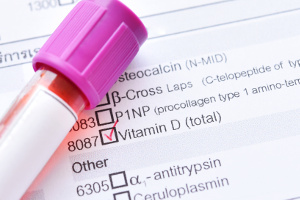 Menopause is characterized by a host of completely natural physiological changes in the hormonal balance. However, many women experience hormonal imbalances that may lead to weight gain, redistribution of their fat mass, increased abdominal obesity and an elevated risk of osteoporosis, cardiovascular disease, type 2 diabetes, and cancer. The hormonal changes may also affect the nutritional status including nutrients like vitamin D and magnesium, both of which are essential for prevention of the mentioned diseases. Now, scientists have discovered that lack of vitamin D and magnesium is widespread among menopausal women and that magnesium supplementation optimizes both levels of and the effect of vitamin D. This was demonstrated by a Spanish study that is published in Nutrients.
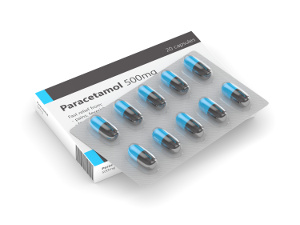 Millions of people take painkillers such as Panadol or Calpol that contain paracetamol, and an estimated one billion people or so lack selenium due to nutrient-depleted farmland. This is an unfortunate cocktail because being deficient of selenium increases the risk of using paracetamol, so even the recommended dosage burdens the liver to such an extent that it causes toxicity and increase the risk of side effects. This was demonstrated in a collaborative study carried out by Bath University in England and Southwest University in China.
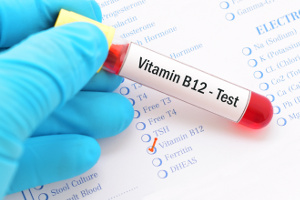 Vitamin B12 is required for the production of red blood cells, and the importance of the nutrient for the nervous system is often overlooked. Factors like vegan diets, ageing processes, low stomach acid, and use of anti-diabetic medication increase the risk of a vitamin B12 deficiency. Pernicious anemia is a life-threatening autoimmune disease where people are unable to absorb vitamin B12 from their diet. Typical symptoms of the condition are fatigue, poor memory, nerve damage, impaired fertility etc. and because these problems are insidious, it may be difficult to link them to the root cause. Many people are misdiagnosed as being stressed or having dementia. However, according to an article published in MedicalNewsToday, it may have detrimental consequences for your health if the vitamin B12 deficiency is not treated in ample time.
 According to Danish research, more than one in three women suspect that their birth control pills cause side effects. Other studies show that birth control pills affect the body’s ability to utilize several different B vitamins, vitamin C, vitamin E, magnesium, selenium, and zinc. The lack of these essential nutrients contributes to a number of common side effects such as fluid retention, blood clots, cancer, and depression.
 Vitamin C is important for the immune system, the nervous system, energy turnover, connective tissue, hormone production, and numerous biochemical processes. Vitamin C is also an important antioxidant that protects cells and tissues against oxidative stress and hyperinflammation that cause virus infections to become dangerous. According to a new review article that is published in Nutrients, lack of vitamin C is widespread in underdeveloped, low-income countries but also occurs in industrialized countries with higher income levels. Also, the majority of Danes fail to consume the recommended amount of fruit and vegetables that are rich in vitamin C, plus a number of factors can increase the need for the nutrient.
 Hip fractures are particularly common among older people and are often associated with a number of serious complications. However, seniors that are not vitamin D-deficient may have better chances of walking again after their surgery, according to a new study that is published in the American Journal of Clinical Nutrition. Earlier Danish research even shows that having sufficient amounts of vitamin D in your blood lowers the risk of dying of serious complications after sustaining a fractured hip. Therefore, the scientists recommend that all older people take a high-dosed vitamin D supplement daily and that they have their vitamin D levels measured when they are admitted in the hospital.
 Magnesium plays a vital role in the body’s calcium distribution and is involved in over 300 enzyme processes that are relevant for our bones, circulatory system, muscles, nervous system, blood pressure, blood sugar levels, immune system, and utilization of vitamin D. For that reason, too little magnesium increases your risk of osteoporosis, diabetes, cardiovascular disease, migraine headaches, infections, PMS, plus anxiety and other neurological disorders. This is highlighted in a review article published by Medical News Today. It is therefore important to be aware of all the overlooked factors that may cause a magnesium deficiency.