


Large population study: Lack of sun and vitamin D increases your risk of COVID-19 and new waves of the infection
 A large Israeli population study of over 4.6 million people shows that lack of sunshine and vitamin D increases the risk of COVID-19 infections and new infection waves in the winter period. The study shows why seniors, those with chronic disease, overweight individuals, and certain ethnic groups such as orthodox male Jews and female Muslims are more vulnerable. The scientists recommend vitamin D supplementation throughout the winter period or even all year round for those who do not get enough sun exposure during the summer. You can also read about why face masks block the body’s vitamin D synthesis, why COVID-19 originates from bats, and other mysteries related to the spread of the infection.
- Created on .
 Vitamin C is important for bone density. A deficiency of the nutrient actually increases the risk of osteoporosis. Patients suffering from Crohn’s disease, ulcerative colitis, and other inflammatory bowel diseases often lack vitamin C and that adds even more to their risk. It is also a problem when normal, healthy people eat a vitamin C-deficient diet, and it becomes even more critical when people with chronic bowel diseases eat a diet with too little vitamin C. Vitamin C has a number of other functions in the body that are of importance to the immune system and the gut flora. Also, our genes for utilizing vitamin C play a role, according to a new study from Poznan University and Human Genetics Polish Academy of Sciences in Poland.
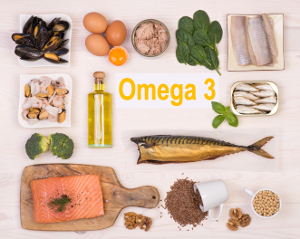 The number of seniors in the world is growing steadily which means a surge in problems like cardiovascular disease, cancer, respiratory illnesses, overweight, diabetes, rheumatism, dementia, and Alzheimer’s disease. These diseases that have a widespread impact on human lives and are a burden to society are often linked to chronic inflammation. A group of scientists therefore decided to look closer at studies that have found a positive effect of the omega-3 fatty acids EPA and DHA on cognitive functioning, maintenance of muscle mass, and prevention and treatment of a host of serious diseases that are related to ageing. It is vital to start supplementing early and to take the right doses, according to the new review article published in Nutrients.
 Periodontal is the leading global cause of tooth loss. It is a problem to prevent and to treat this condition because large population groups are neither able to nor used to taking proper care of their teeth and because it is expensive to see a dentist. A group of Australian scientists have decided to take a closer look at vitamin C’s role in dental health and determine how important it is to get enough vitamin C from the diet and from supplements. Another substance is important for preventing periodontal disease. You can read more about that in the article.
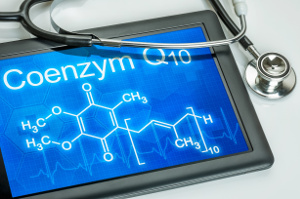 Q10 is involved in the cellular energy turnover and it is also a powerful antioxidant that protects cells, tissues, and the cardiovascular system in several ways. Humans synthesize most of their own Q10 but the endogenous production of the compound decreases with age. Besides, certain diseases are associated with lowered endogenous coenzyme Q10 synthesis, and scientists have observed that Q10 supplementation has the potential to attenuate various symptoms linked to heart disease, diabetes, kidney disease, migraine, chronic fatigue syndrome, and fibromyalgia. Q10 can also improve the heart function in older, healthy people, thereby lowering their risk of dying of heart disease. It is difficult for the body to absorb Q10, which is why scientists emphasize the importance of using pharmaceutical-grade supplements. This topic was addressed in a review article published online by www.nutraingredients.com.
 An abundance of international science links widespread vitamin D deficiency to impaired immune defense, a problem that has contributed to new COVID-19 waves and tends to make the infections life-threatening. The British government has therefore decided to give free vitamin D supplements to 2.2 million seniors, nursing home residents, chronically ill, and other vulnerable people to help combat COVID-19. The whole purpose of this is to slow down the epidemic and put an end to the numerous shutdowns of society, according to an article in the Daily Mail.
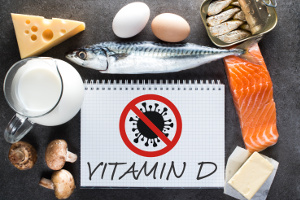 Vitamin D is vital for a well-functioning immune defense, yet a stunning 80 percent of patients hospitalized with COVID-19 lack the nutrient, according to a study published in The Journal of Clinical Endocrinology & Metabolism. Earlier research has shown that having too little vitamin D in your system increases the risk of life-threatening complications. It is also a well-known fact that vitamin D deficiency is a problem that is more widespread during the winter period, especially among exposed groups like seniors, nursing home residents, chronically ill, and dark-skinned people.
 Around one billion people worldwide are believed to lack selenium, mainly due to nutrient-depleted farmland. Selenium deficiency makes us more vulnerable to infections and increases the risk of a virus mutating and becoming more dangerous. This was shown in previous studies of RNA virus that can cause influenza, hepatitis, HIV, and Keshan disease. Coronavirus that causes the common cold and COVID-19 infections also belongs to the group of RNA virus and has a unique ability to mutate. Three new mutated virus types have been found in mink and stand in the way of a future vaccine. Therefore, we are forced to bolster our immune defense, which is designed to attack virus from different angles. Still, even if we eat a healthy diet it can be challenging to get enough selenium, and that is why an increasing number of international researchers now recommend selenium supplements to help fight coronavirus.
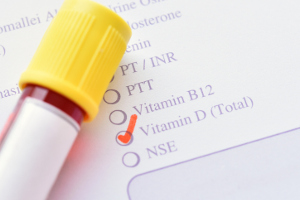 Health authorities worldwide recommend supplements of vitamin D to older people, nursing home residents, and people who get too little sun. However, most old people are not familiar with these recommendations, and vitamin D supplements are not handed out routinely in old age homes. Because of the widespread problems with vitamin D deficiency in these vulnerable groups, their risk of disease is increased. Also, they risk that a COVID-19 infection becomes complicated and life-threatening. A new British study set out to investigate the current practical guidelines for administering vitamin D supplements to nursing home residents and the responsibility for making sure this happens. The investigators believe that we desperately need a solution to this serious problem right now, considering the scope of the pandemic.