


The role of vitamin C in cognitive function in older adults and smokers
 As the population ages, the number of people experiencing cognitive decline of varying degrees is also on the rise. Diet and lifestyle play a major role in brain function, and higher vitamin C intake has been associated with better cognitive performance in older adults. Evidence also suggests that smokers may benefit the most, according to a study published in Frontiers in Nutrition.
Read more about the role of vitamin C in cognitive function in older adults and smokers
- Created on .
 Age-related muscle loss, also known as sarcopenia, is characterized by a progressive decline in muscle mass, which increases the risk of various diseases and premature death. Evidence suggests that active




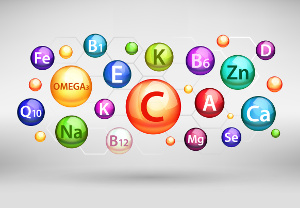

 Many skin disorders, such as acne, atopic dermatitis (eczema), and psoriasis, are linked to flaws in the skin’s natural barrier and an immune system that is either too weak or overreacts with chronic inflammation. The skin’s natural microflora may also be out of balance. In this context, various vitamins play important roles in supporting skin health due to their regenerative, immune-stimulating, anti-inflammatory, antibiotic, and antioxidant properties that help protect the skin against damage. In a new review article published in The Microbe, the authors explore how different vitamins (A, B1, B2, B3, B12, C, D, and E) contribute to skin health, immune function, and the management of skin conditions.

 "After about one week of taking the Q10 supplement I could feel a huge difference," says 23-year old Alan Piccini, who has been suffering from extreme fatigue and muscle aches ever since he was a child.
 “Taking capsules with co-enzyme Q10 has freed me of the severe side effects of my cholesterol lowering medicine,” Mrs Franken explains.