


Can increased magnesium intake protect women against life-threatening heart failure?
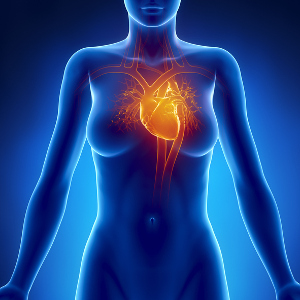 There is a clear link between magnesium intake and the risk of heart diseases and sudden cardiac death in postmenopausal women, according to a study that is published in Journal of Women’s Health. Unfortunately, many women are not diagnosed with heart disease at a sufficiently early stage. It is also a fact that many postmenopausal women take calcium supplements for bone health. However, if they also lack magnesium, which is responsible for the calcium distribution in the body, the calcium supplements may instead increase the risk of coronary atherosclerosis. According to new and earlier research, we must focus a lot more on telling women how important it is to get enough magnesium at all stages of life – not least after menopause.
Read more about magnesium and how it protects women against life-threatening heart failure
- Created on .
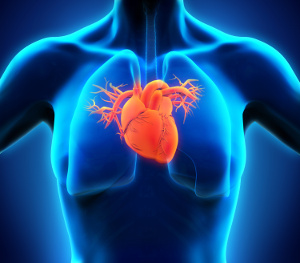 Chronic heart failure is a potentially life-threatening condition that affects millions of people worldwide. A group of scientists recently looked at the relation between chronic heart failure and
 Many young men have poor sperm quality and the underlying cause is often unknown. The health of sperm cells depends a lot on
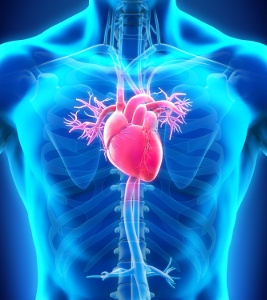 Atrial fibrillation is a rhythm disturbance in the electrical system of the heart. It is also one of the most common heart disorders and can be both harmless and potentially life-threatening. Lack of
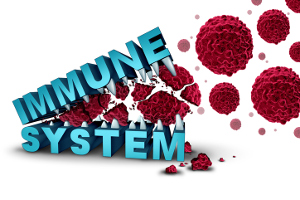 It is not the actual COVID-19 virus that can become lethal. It is the immune system’s overreaction with hyperinflammation and a storm of cytokines that destroys healthy tissue in the lungs, the cardiovascular system, and other places in the body, according to a new article that is published in The Lancet. The capacity of the immune system determines if an infection like COVID-19 is either harmless or life-threatening. For that reason, hygienic measures, masks, isolation, and delayed vaccines are not sufficient. We also need to bolster our immune system against COVID-19 and other pandemics that may occur in the future. Let’s look closer at vitamin C, vitamin D, selenium and zinc, all of which are essential for preventing a well-functioning immune system from going off its rails. What is also worth mentioning is that many people lack these nutrients, especially older people and other exposed groups.
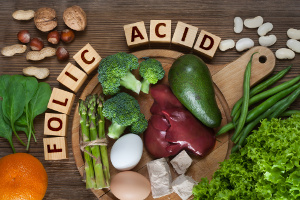
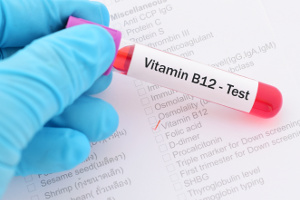 Lack of
 PMS (premenstrual syndrome) is quite common among women of childbearing age and can easily make their lives miserable for years, causing both physical and mental discomfort several days a month. A possible cause can be lack of
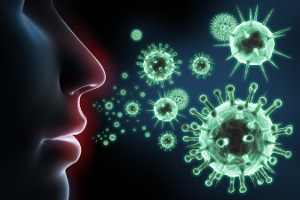
 It is hardly a coincidence that sore throats, colds, flus, and related complications such as sinus infections and pneumonia typically circulate during the winter period. They are primarily a result of having low
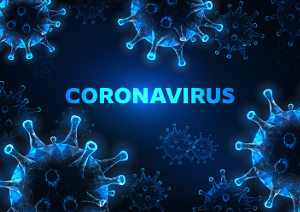 The coronavirus has spread from Wuhan in China to a number of continents, where it has caused massive fear and affected daily life and the global economy. Although most people that get the infection experience a mild course of events, the greatest fear is the potentially life-threatening complications in the respiratory system caused by oxidative stress, which have already taken thousands of human lives. Chinese scientists now call for early intravenous therapy with large doses of vitamin C to prevent oxidative stress and the life-threatening complications that follow in the wake of a derailed immune system. Many researchers also claim that higher intake of vitamin C from dietary sources or supplements help prevent by boosting and regulating the immune system in the upper respiratory tract. The same goes for vitamin D and selenium.
 "After about one week of taking the Q10 supplement I could feel a huge difference," says 23-year old Alan Piccini, who has been suffering from extreme fatigue and muscle aches ever since he was a child.
 “Taking capsules with co-enzyme Q10 has freed me of the severe side effects of my cholesterol lowering medicine,” Mrs Franken explains.