


Magnesium deficiencies contribute to insulin resistance and diabetes
 Many people suffer from insulin resistance that impairs the cellular uptake of glucose from the bloodstream. Insulin resistance typically causes untimely hunger or a craving for stimulants accompanied by fatigue, mood swings, tension, overweight, and numerous other problems that arise as a result of the cells producing too little energy. The condition increases the risk of type-2 diabetes, even among children. But how does magnesium affect our blood sugar levels, and how do we make sure to get enough of this nutrient?
Read more about magnesium's vital role in the metabolism and insulin regulation
- Created on .
 It has long been known that vitamin D deficiencies increase the risk of sclerosis. According to a study that is published in JAMA Neurology, having too little vitamin D is even a problem during pregnancy, as it increases the child's risk of developing sclerosis later in life.
 Inflammation appears to be a key factor in the majority of chronic illnesses such as e.g. rheumatism, type-2 diabetes, and cancer. Science has primarily focused on EPA (eicosapentaenoic acid), but new research points to supplementation with DHA (docosahexaenoic acid) as being even more effective in healthy patients with too much abdominal fat and subclinical systemic inflammation.
 If you are pregnant it may be wise to eat salmon. According to a new study it lowers your child's risk of developing asthma, which is a rather common ailment. But what is it in salmon that prevents asthma, and what about those who dislike the taste of fish?
 Low blood levels of vitamin D are associated with an increased risk of breast cancer. Also, breast cancer patients with optimal levels of vitamin D in their blood can expect to live longer than breast cancer patients with low blood levels of the nutrient. But how much vitamin D is needed to prevent the dreaded disease?
 Cataracts is a common cause of impaired vision, especially among the elderly. However, a new study of twins and the impact of genetic and environmental factors shows that higher intake of vitamin C may have help prevent this eye disease.
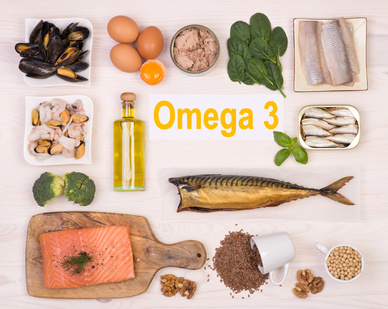 It pays off to make sure to get enough omega-3 from your diet or by taking supplements. Studies show that the content of omega-3 fatty acids in the blood are linked directly to a lower risk of developing atherosclerosis and dying of a heart attack. This was ween in a large epidemiological study that is published in the journal JAMA Internal Medicine.
 A selenium deficiency may increase the risk of gluten intolerance/celiac disease, which can lead to metabolic disorders and vice versa. Because selenium deficiencies may be a result of eating a poor diet and suffering from malabsorption, this may easily turn into a vicious cycle.
 PMS (Premenstrual Syndrome) entails a long list of symptoms such as headaches, mood swings, fatigue, irritability, fluid retention, and a strong craving for sweets and stimulants - and even a desire for divorce.