


Magnesium deficiencies increase your risk of cardiovascular disease and intake levels have dropped drastically
 Cardiovascular disease is one of the leading causes of death. It is therefore vital to get enough magnesium because according to research, low blood levels of magnesium are linked to an increased risk of atherosclerosis, hypertension, and type-2 diabetes.
Read more about magnesium deficiencies and how they increase your risk of cardiovascular disease
- Created on .
 Lack of vitamin D and selenium increases your risk of catching a cold or the flu or accompanying complications. Many people resort to Echinacea, ginger, and smoothies filled to the rim with vitamin C and secondary immune compounds, but these measures can never replace the two essential nutrients, selenium and vitamin D.
 There are several reasons why pregnant women have an increased need for folic acid. Overweight women should even pay special attention, as folic acid reduces their risk of having babies who are also overweight. This was seen in a new American study that got published in JAMA Pediatrics.
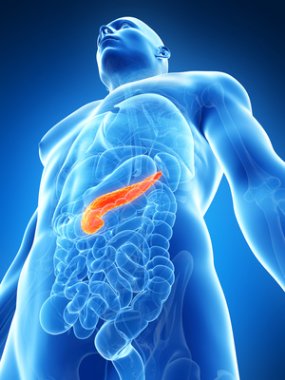 A new American study shows that chronic alcohol abuse impairs the ability of the pancreas to absorb vitamin C, and that increases the risk of infection of the pancreas (pancreatitis) and other diseases. Lack of certain B vitamins may also damage the pancreas and increase the risk of encephalitis
 Apparently so. According to a new study, vitamin B3 (niacin) is a powerful antioxidant that, by means of enzyme processes, protects the body against aging and diseases caused by oxidative stress.
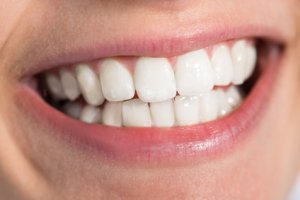 Periodontal disease affects most people at some stage in life. However, according to a recent study that is published in Contemporary Clinical Dentistry, supplemental use of Q10 and tea tree oil may have potential benefits.
 According to a new study that is published in the British Journal of Nutrition, even minor zinc deficiencies may cause poor digestion, skin problems, and fatigue - and lead to numerous other health problems in the long run. You should therefore avoid zinc shortages, and people with poor diets, vegans, vegetarians, and older people should make sure to get enough zinc.
 For decades, science has had its focus on vitamin D in terms of cancer prevention. A new study shows that this applies particularly to women older than 55 years. It may be because cancer often takes many years to develop and because our ability to utilize the vitamin decreases as we grow older.
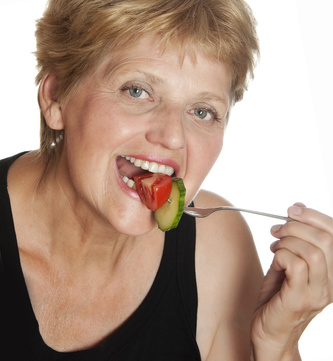 Women who eat a healthy diet may prevent or delay their physical deterioration. But what type of diet has the best effect? And how can specific nutrients, which are difficult to get from the diet, improve the overall effect?