


Supplementation with Q10 and selenium halves your cardiovascular risk for numerous years
 Swedish scientists wrote medical history when they discovered that supplementation with Q10 and selenium could halve a person's risk of dying from cardiovascular disease. Now, a 10-year of the Swedish study shows that taking these two supplements even has a notable long-term effect on cardiac function and lifespan.
Read more about the long-term effect of Q10 and selenium on heart function and lifespan
- Created on .
 Supplementing with large doses of Q10 may help reduce pain and fatigue in people who suffer from fibromyalgia. An optimal treatment of the disease may even require focusing on underlying causes.
 Lack of selenium increases the risk of impaired fertility and complications in connection with pregnancy and birth. Because selenium deficiencies are rather common, both men and women should ideally make sure that they get enough of this essential trace element that is involved in various functions - right from conception to delivery.
 We are constantly being warned about sun exposure and skin cancer. Still, it is important that we get plenty of vitamin D from sunshine - as long as we avoid getting burned. Vitamin D prevents and cures many diseases, and it may not only be the Mediterranean diet alone but the increased sun exposure and higher vitamin D levels that help people in Southern Europe avoid cardiovascular disease and other ailments.
 Low selenium status increases a man's risk of prostate cancer and Danish men are particularly susceptible, according to a study published in British Journal of Nutrition. Earlier studies have shown that supplementation with selenium prevents prostate cancer, and selenium yeast has been shown to have the best effect.
 We all get exposed to mercury, a neurotoxin that is found to a great extent in nature and in our environment. According to an EU report, mercury is a large economic burden to society because of the costs related to lowered IQ levels. For that reason alone, we should aim to limit our exposure to mercury and also take a closer look at how selenium protects against the harmful heavy metal – provided our selenium levels are adequately high.
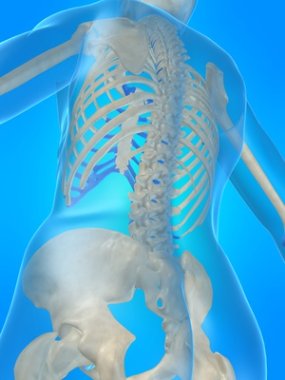 Vitamin D deficiencies are very common. They increase children's risk of developing weak bones, but they also make adults more prone to osteoporosis.
 Studies show that large quantities of B vitamins are able to slow mild cognitive impairment, which is an early stage of dementia and Alzheimer's disease. A more recent study suggests, however, that B vitamins are not effective, unless the body is properly supplied with the omega-3 fatty acids that are found in fish oil.
 Recent studies show a possible relation betwen too little vitamin D and the risk of developing autism. It is also alarming that many children are born with too little vitamin D or develop a deficiency later in life, as vitamin D controls numerous processes in the human brain.