


Breastfeeding women often lack essential nutrients
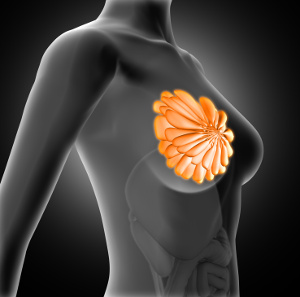
 Breast milk is the optimal nutrition for babies, but according to a population study from New Zealand, which is published in Nutrients, breastfeeding women often lack vitamin D, vitamin E, manganese, selenium, and other important nutrients. The authors emphasize how crucial it is for both mother and child to be well-supplied with nutrients, as deficiencies can affect the child's development and the mother's health and mood.
Read more about why breastfeeding women often lack essential nutrients
- Created on .

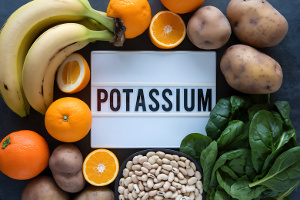 High blood pressure is the primary cause of cardiovascular diseases, strokes, and early death. There has primarily been focus on limiting salt (sodium) intake, but now it appears that the balance between sodium and potassium is even more important. According to a study published in the American Journal of Physiology-Renal Physiology, consuming bananas, avocados, broccoli, nuts, and other potassium-rich foods can be beneficial in preventing and treating high blood pressure.
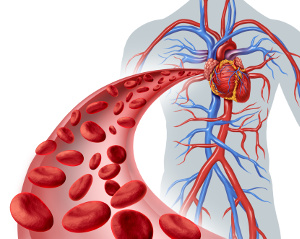
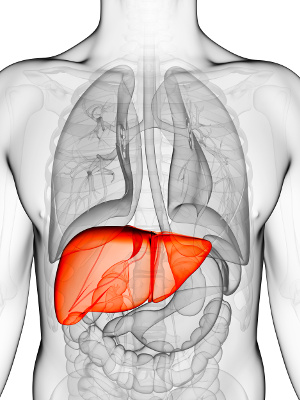 Non-alcoholic fatty liver disease (NAFLD) and alcoholic fatty liver disease are associated with the development of other liver diseases, obesity, diabetes, cardiovascular diseases, and cancer. Diet and drinking habits play a major role. Magnesium deficiency also seems to increase the risk of cardiovascular disease and other complications, particularly in individuals with liver-related metabolic disorders, according to a large population study published in Nutrients.


 Most people with type 2 diabetes have hidden deficiencies in nutrients such as vitamin D, magnesium, and vitamin B12. This is the conclusion of a major meta-analysis published in BMJ Nutrition, Prevention & Health. The researchers also explain how diet, metabolic processes, genetics, and medication can influence the body’s ability to utilize these nutrients. Since type 2 diabetes and its precursor, metabolic syndrome, are spreading like a pandemic, much greater attention should be given to essential nutrients, as deficiencies contribute to the development and worsening of the disease.