


Q10 deficiency disrupts cholesterol balance and nerve cells in the brain
 Q10 plays a crucial role in cellular energy metabolism and serves as an important antioxidant that protects cells. A Q10 deficiency can therefore lead to a wide range of clinical symptoms, including ones affecting the brain, nervous system, and cognitive abilities. In the body, Q10 is synthesized via the same biochemical pathway as cholesterol, and the brain is actually the most cholesterol-rich organ. This highlights a close connection between Q10, cholesterol, and the function of nerve cells. A study published in Free Radical Biology and Medicine shows that a lack of Q10 can negatively affect the shape and function of nerve cells. It's important to note that aging and cholesterol-lowering statins inhibit the body’s own production of Q10.
Read more about how Q10 deficiency disrupts cholesterol balance and nerve cells in the brain
- Created on .
 Uric acid is a natural waste product in the blood formed when the body breaks down dead cells. If uric acid levels become too high, it can lead to gout, a chronic condition associated with elevated blood pressure, kidney disease, cardiovascular disease, and other illnesses marked by chronic inflammation. According to a population study published in Frontiers in Endocrinology, there appears to be a link between magnesium deficiency, elevated uric acid, and chronic inflammation.
 At northern latitudes, our body can only produce vitamin D during the summer months, when the sun sits sufficiently high in the sky. That’s why sun worshippers now get a much-needed boost, as blood levels of vitamin D tend to drop during the winter. However, regular exercise appears to help maintain normal levels of active vitamin D even through the darker months, according to a UK study published in Advanced Science.

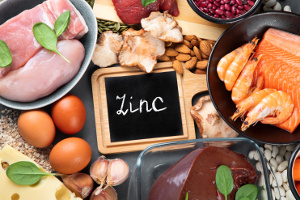

 There are several possible causes of male impotence, and the risk increases with age. Oxidative stress appears to play a role, as this condition contributes to local atherosclerosis, which restricts blood flow to the penis. However, consuming a variety of antioxidants - such as selenium, zinc, vitamins A, C, and E, as well as various carotenoids - may help reduce the risk of impotence, according to a U.S. population study published in Scientific Reports.