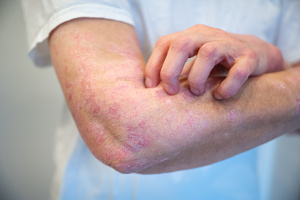
 The skin requires a range of nutrients for growth and protection against local infections and injuries. Evidence suggests, however, that patients with inflammatory skin diseases such as psoriasis, atopic eczema, and patchy hair loss often have deficiencies in minerals like zinc, selenium, and iron. Elevated levels of copper, which should be balanced with zinc, have also been observed, and these findings are reported in a new meta-analysis published in Nutrition Reviews.
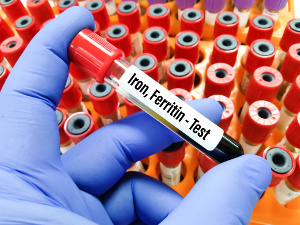 Iron is vital for red blood cells and their ability to carry oxygen, for energy turnover, and for muscle function. For those reasons, iron is highly important for athletes because iron deficiency anemia impairs your performance. Still, iron deficiency is quite common, especially in connection with endurance sports and menstrual bleeding. A plant-based diet and low stomach acid can also increase the risk of becoming iron-deficient. In a new review article that is published in Life, a group of scientists has looked at iron and iron supplementation and how it can affect athletic performance.
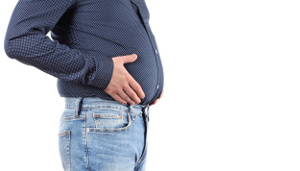 Obesity is a growing global health problem that increases the risk of chronic diseases such as type 2 diabetes, cardiovascular disease, and cancer. Diet plays a major role, including its content of vitamins and minerals that are involved in energy turnover and a range of metabolic processes. Widespread deficiencies of vitamin D, several B vitamins, and minerals such as magnesium, selenium, and iron also appear to contribute to metabolic disturbances, according to a study of people with severe obesity published in Nutrients.


