


Lack of vitamin D increases opioid dependence
 Vitamin D-deficient experimental animals are more likely to become dependent on opioids such as morphine, but their addiction decreases once their blood levels of vitamin D are restored. This was shown in an American study that is published in Science Advances. The scientists assume that low vitamin D levels also increase humans’ risk of growing dependent on opioids following medical pain treatment or other forms of exposure to addictive drugs. Both the legal and illegal opioid abuse in the United States is currently that extensive, experts refer to the problem as an epidemic. One potential way to deal with opioid dependence is to use vitamin D as a supplement, according to the researchers.
Read more about why lack of vitamin D increases opioid dependence
- Created on .
 Vitamin C has a vital role in our immune defense, and having low blood levels of the nutrient can affect the severity of infections such as COVID-19 and influenza, according to a review article published in Aging and Disease. The scientists behind the study also refer to other studies that have looked at large doses of intravenous vitamin C given to patients with sepsis and life-threatening COVID-19 infections. Vitamin C deficiency is a widespread problem for various reasons and that only adds to the problem.
 Vitamin D is important for a swift and effective immune response. Once COVID-19 infections become complicated and life-threatening, it is not the virus that is the threat but the fact that the immune defense reacts too slowly and then causes hyperinflammation that damages healthy tissues in the respiratory system and circulatory system.
 Selenium has an overlooked role in sperm quality and healthy pregnancies. A team of scientists from Romania has looked closer at blood levels of different selenium-containing antioxidants and found that low levels are significantly correlated with poor sperm quality. The scientists also explain that lack of selenium increases the risk of pregnancy-related complications, miscarriage, and preterm delivery. Both selenium deficiencies and infertility are common problems so selenium supplementation may be worth considering. For decades, Danish farmers have added selenium to animal fodder as a way of improving the fertility and general health of the animals.
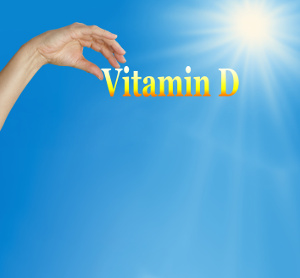 Sun awareness campaigns have scared people away from sun exposure because of the risk of skin cancer. Still, it is essential to get enough vitamin D from the sun during the summer period, as long as we avoid getting sunburned. Vitamin D is vital for our immune defense, mood, bone health, cancer prevention, and many other things. A Swedish study has revealed that lack of sunshine is every bit as dangerous as smoking, and according to a British study, vitamin D inhibits cellular ageing. A Danish study has even shown that lack of vitamin D increases the risk of early death. The big questions are how much vitamin D do we get from sun exposure during the summer period, when do we need to take vitamin D supplements, and why should old people, dark-skinned individuals, and certain other population groups take vitamin D all year round?
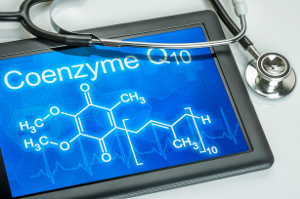 Diabetes damages the circulatory system in a number of ways that are linked to impaired quality of life and early death. A meta-analysis shows that if type 2 diabetics take supplements of Q10 it lowers their risk of cardiovascular disease by reducing levels of total cholesterol and LDL cholesterol. Another positive effect of Q10 is that it serves as a unique antioxidant that counteracts oxidative stress, which is a major cause of atherosclerosis and cardiovascular damage. One of the problems of using cholesterol-lowering statins is that it inhibits the body’s endogenous Q10 synthesis, but this is something one can compensate for. According to Danish research, it is also a good idea to limit your carbohydrate intake and follow the new dietary guidelines that help stabilize blood sugar levels.
 Benign paroxysmal positional vertigo (BPPV) impairs many people’s quality of life and ability to work. The dizzy spells typically occur when they shift position. According to a study from Korea which is published in Neurology, supplementing with vitamin D and calcium may lower the risk of recurring spells of dizziness. It is important to balance your calcium intake with magnesium.
 Selenium is involved in a number of different metabolic processes and works as an antioxidant, which protects the heart and cardiovascular system, but it is difficult to get enough of the nutrient from the diet. According to a new American mouse study, selenium supplementation can speed up the metabolic processes and protect against overweight. A Swedish study of seniors published some time ago showed that supplements of selenium and Q10 has a positive effect on quality of life and lifespan.
 Cardiovascular diseases are widespread and one of the major causes of death. The risk is increased by factors such as ageing, diabetes, and overweight. One of the underlying causes is oxidative stress, which is an imbalance between free radicals and antioxidants. Q10, which is involved in cellular energy turnover, happens to be one of the most powerful antioxidants. According to a review article that is published in the scientific journal Antioxidants, supplementation with Q10 can reduce oxidative stress and cardiovascular mortality. It can also improve quality of life and increase the chances of survival. Generally speaking, Q10 has a huge potential for anyone with a desire to remain healthy, and it is important to choose a supplement with documented quality and bioavailability.
 "After about one week of taking the Q10 supplement I could feel a huge difference," says 23-year old Alan Piccini, who has been suffering from extreme fatigue and muscle aches ever since he was a child.
 “Taking capsules with co-enzyme Q10 has freed me of the severe side effects of my cholesterol lowering medicine,” Mrs Franken explains.