


Vitamin D may protect younger adults against bowel cancer
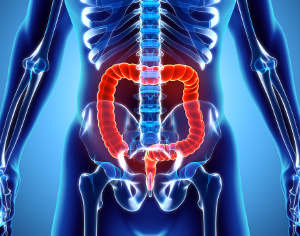 Colorectal cancer is one of the most common cancer forms in Denmark, which is why prevention is so important. According to a new American study that is published in Gastroenterology, increased intake of vitamin D appears to protect against bowel cancer, especially in people younger than 50 years. It even looks as if vitamin D may prevent intestinal polyps that can turn into cancer in some cases. The scientists say that higher intake of vitamin D may be relevant for prevention and may also serve as an inexpensive supplement to screening tests that are merely used for early diagnosis.
Read more about why vitamin D protects younger adults against bowel cancer
- Created on .
 Type 1 diabetes can eventually lead to eye damage and if this is not discovered in time it may cause blurry or impaired vision. According to a new study that is published in Diabetes, supplementing with omega-3 for six months can regenerate damaged corneal nerves, so the scientists believe that eating more oily fish or taking a fish oil supplement may represent a promising add-on to existing therapies.
 Sales of plant-based meat, also known as meat analogue, has increased for environmental reasons and a number of other reasons. However, even if meat analogue does resemble regular animal meat it has an entirely different nutritional value. According to a study from Duke University in the United States, real meat contains 22 different nutrients and metabolites that you do not get from meat analogue. On the other hand, meat based on vegetarian sources contains 31 nutrients and metabolites that are not found in normal meat. The largest difference between the two, according to the scientists, lies in their content of amino acids, peptides, vitamins, phenols, and fatty acids. The researchers also mention that a diet based on vegetable and animal products is complementary because it contains more nutrients.
 More and more people experience despair and depression. There can be several underlying factors but according to a large German population study, lack of vitamin D increases the risk of depressive symptoms. The scientists explain how vitamin reduces local inflammation in the brain, which increases the risk of developing a depression. That is why it is so important to get plenty of vitamin D all year round because the nutrient affects our mood and energy level in a variety of ways.
 Multiple studies have shown that zinc and a zinc-containing protein named ZAG are involved in lipid metabolism, satiety, and weight regulation, but zinc deficiencies are widespread, and having too much body fat can reduce blood levels of zinc, thereby increasing the risk of overweight and disturbances of the lipid metabolism. In a recent review article that is published in Nutrients, scientists look closer at zinc’s role in the lipid metabolism and why overweight people often lack zinc. The authors call for increased focus on zinc and end up concluding that it would be obvious to include zinc supplementation in the treatment of disrupted lipid metabolism and overweight.
 The need for the trace element selenium is increased in pregnant and breastfeeding women because it supports a host of different proteins that are particularly important for tissue growth. Also, selenium supports different antioxidants that protect the unborn baby’s organs and tissues. A new review article published in Nutrients shows that lack of selenium during pregnancy may result in oxidative stress, stunted growth, and low birth weight. This may eventually have consequences for the baby’s development, cognitive skills, and health in general. The authors also mention that an expecting mother’s alcohol abuse may have a more negative health impact if she is selenium-deficient. It is a problem that selenium deficiency is such a widespread problem in Europe and other parts of the world.
 It has been known for long that vitamin K2 is important for circulation and bone health. According to a new study, vitamin K2 also lowers the risk of cardiovascular disease in smokers and other nicotine users. This is because vitamin K2 counteracts oxidative stress and atherosclerosis. The scientists stress how important vitamin K2 is for public health, including otherwise unhealthy groups such as smokers.
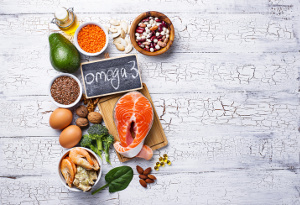 Oily fish and fish oil supplements contain EPA and DHA, two types of omega-3 fatty acids that are important for our brain, nervous system, and mental health throughout life. According to a new Irish study, young adults with higher blood levels of omega-3 are less likely to develop depression and anxiety. The researchers see a huge therapeutic potential in advising people to increase their omega-3 intake from oily fish or supplements. The problem is that modern diets contain far too little omega-3 and too much omega-6, which contributes to the increased rate of mental illness.
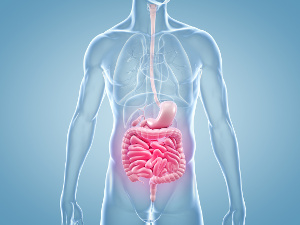 For decades, glucosamine has been used to prevent and treat osteoarthritis. According to a new study that is published in Nutrients, glucosamine supplements may also improve your digestion by counteracting abdominal bloating, constipation, and lumpy stools. It even looks as if glucosamine has other health benefits.
 "After about one week of taking the Q10 supplement I could feel a huge difference," says 23-year old Alan Piccini, who has been suffering from extreme fatigue and muscle aches ever since he was a child.
 “Taking capsules with co-enzyme Q10 has freed me of the severe side effects of my cholesterol lowering medicine,” Mrs Franken explains.