


Q10 has the potential to attenuate heart disease, diabetes, kidney ailments, and other chronic diseases
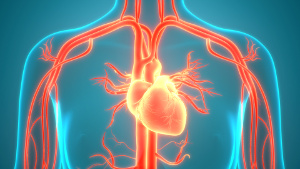
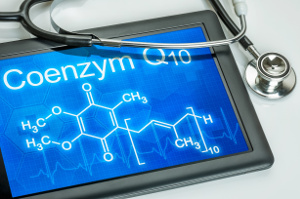 Q10 is involved in the cellular energy turnover and it is also a powerful antioxidant that protects cells, tissues, and the cardiovascular system in several ways. Humans synthesize most of their own Q10 but the endogenous production of the compound decreases with age. Besides, certain diseases are associated with lowered endogenous coenzyme Q10 synthesis, and scientists have observed that Q10 supplementation has the potential to attenuate various symptoms linked to heart disease, diabetes, kidney disease, migraine, chronic fatigue syndrome, and fibromyalgia. Q10 can also improve the heart function in older, healthy people, thereby lowering their risk of dying of heart disease. It is difficult for the body to absorb Q10, which is why scientists emphasize the importance of using pharmaceutical-grade supplements. This topic was addressed in a review article published online by www.nutraingredients.com.
- Created on .
 An abundance of international science links widespread vitamin D deficiency to impaired immune defense, a problem that has contributed to new COVID-19 waves and tends to make the infections life-threatening. The British government has therefore decided to give free vitamin D supplements to 2.2 million seniors, nursing home residents, chronically ill, and other vulnerable people to help combat COVID-19. The whole purpose of this is to slow down the epidemic and put an end to the numerous shutdowns of society, according to an article in the Daily Mail.
 Around one billion people worldwide are believed to lack
 Health authorities worldwide recommend supplements of
 Older people can easily become deficient of vitamins and minerals, which can weaken their immune system and make them more prone to infections and prolonged periods with disease. On the other hand, older people who take a multivitamin and mineral supplement with zinc and large quantities of vitamin C experience fewer days with disease and have less severe symptoms, according to a placebo-controlled study from Oregon State University. But many multivitamin supplements do not contain enough vitamin D and it is very important for older people to get enough of this nutrient.
 A panel of physicians and professors collaborating with the Swiss Society for Nutrition (SSN) recently reviewed the scientific evidence on the role of micronutrients in supporting a well-functioning immune defense for optimal health with particular focus on viral infections related to COVID-19. They conclude that there is widespread lack of vitamin C, vitamin D, selenium, zinc, and omega-3 fatty acids, all of which are crucial nutrients for the immune system. These deficiencies contribute to new waves of COVID-19 and can cause the infections to become life-threatening. The panel calls for immediate action with relevant focus on diet and supplements.
 Magnesium deficiencies are rather common and can easily occur if you get too little
 COVID-19 is highly unpredictable and be either totally harmless or life-threatening. Scientists from Oak Ridge National Laboratory in Tennessee recently made a comprehensive genetic analysis that reveals a new hypothesis – the bradykinin hypothesis – which shows why COVID-19 attacks the way it does, why symptoms vary, and why some groups of people are more vulnerable than others. The hypothesis also underpins the importance of getting enough
 Neuropathic pain is caused by disease or damage in the somatosensory nervous system. According to a new review article that is published in the scientific journal Nutrients, it seems that therapy with vitamin B12 may have a positive effect on this type of pain. It also appears that vitamin B12 deficiency is rather common in people with diabetic neuropathy, which is a serious complication that may result in amputation in worst case. Therefore, it is vital that diabetics make sure to get enough vitamin B12. Patients with pain caused by peripheral neuropathy may also consider taking the other B vitamins and vitamin D.
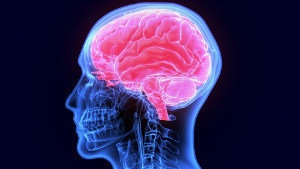 Oily fish and fish oil contain the long-chained omega-3 fatty acids, EPA and DHA, that are of vital importance to the brain, the nervous system, and our mental health throughout life. Today, most people on a global scale lack these omega-3 fatty acids because of altered dietary habits, including the use of unnatural animal fodder. Low intake of omega-3 increases the risk of various ailments such as ADHD, autism, depression, borderline personality disorder (BPD), and bipolar disorder. Fish oil supplementation may therefore offer promise as prevention and part of the therapy used to treat a number of these disorders. The problem with modern diets is their disproportionate content of omega-6 at the expense of omega-3, an imbalance that may derail a number of physiological functions of importance to our mental health, according to a review article published in the science journal, Nutrients.
 Life cannot exist without