


"Energy vitamin" may combat fatigue in multiple sclerosis
Sufferers of multiple sclerosis (MS) who struggle with fatigue symptoms may be helped with a supplement of the vitamin-like compound coenzyme Q10.
Fatigue is one of the most common symptoms of multiple sclerosis (MS) with around 80% of MS sufferers being affected by it, according to the National Multiple Sclerosis Society. It gets worse as the day progresses and the only known medications (amantadine hydrochloride and modafinil) have very limited effect.
- Created on .

 Groundbreaking research reveals that the human brain is detoxified during our sleep. On the other hand, toxins accumulate in the brain if we suffer from sleep disturbances, increasing our risk of dementia, Alzheimer’s disease, stroke, and numerous other conditions. If you are not helped by the most common guidelines for better sleep, supplementing with the “sleep hormone” melatonin may be an obvious solution that even offers plenty of positive “side effects.”
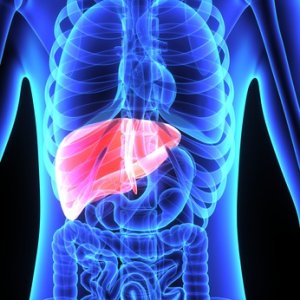 Researchers have found that sufferers of non-alcoholic fatty liver disease (NAFLD) can protect themselves by taking the vitamin-like substance
 Texting, reading emails and surfing the net in bed is bad for your health. The blue light that is emitted from the devices inhibits sleep and work performance, according to scientific experts.
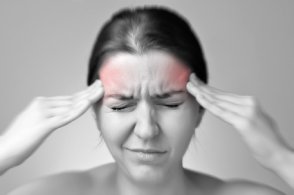 Migraines may be caused by a number of things and cannot be cured as such. A variety of medications have been designed specifically to treat migraines and, in addition, certain drugs that are commonly used to treat other disorders may even help relieve or prevent migraines. However, an increasing number of migraine sufferers seek more natural ways to deal with their recurrent migraine attacks and one remedy that has attracted a substantial amount of interest is the vitamin-like compound coenzyme Q10.
 Some experts have warned people against taking vitamin D in doses that exceed the recommended daily allowance (RDA), claiming that excess vitamin D may lead to problems such as hypercalcemia, a condition characterized by elevated blood calcium levels that may cause weakness, kidney stones, and brain and heart disturbances. However, a study conducted by Mayo Clinic researchers has shown that vitamin D toxicity is not really an issue. The team of scientists analyzed blood data collected in the period 2002-2011 from patients in the Rochester Epidemiology Project and made some interesting observations.
 A team of researchers from McGill University, Canada, has found a link between decreased vitamin D status and increased risk of multiple sclerosis (MS). In their study, which is published in PLOS Medicine, they compared data from thousands of participants with and without MS. As part of their research they looked at how genetic factors affected vitamin D levels in the participants. The researchers found that those people who were genetically prone to low vitamin D status were at least twice as likely to have MS. To explain their observations in more simple terms, when you increase a person's circulating levels of 25OHD (biologically active vitamin D) by 1.5-fold, it decreases their risk of developing MS by 50%.
 American scientists have demonstrated that measurements of vitamin D levels in patients with early stages of sclerosis may predict how fast the disease will progress. If levels are low it may be a sign of faster disease progression and also a sign that this development may be slowed down if the patients increase their vitamin D intake.
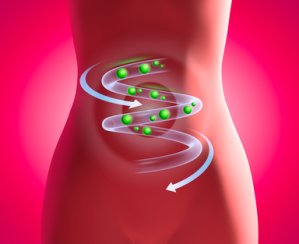 ugh there are two forms of coenzyme Q10 in the body - ubiquinone and ubiquinol - only one of them is able to document an effect. This was recently ascertained by one of the leading Q10 researchers in the world.
 In October, the Norwegian government passed a law against the import of medical drugs that are not approved by the Norwegian health authorities. The whole purpose with this new law is to protect Norwegian consumers against narcotics and forged medical drugs. In fact, the new law includes food supplements and this has caused an uproar among Norwegian supplement users who feel that it is an infringement of their right to buy any imported food supplement they desire.
 "After about one week of taking the Q10 supplement I could feel a huge difference," says 23-year old Alan Piccini, who has been suffering from extreme fatigue and muscle aches ever since he was a child.
 “Taking capsules with co-enzyme Q10 has freed me of the severe side effects of my cholesterol lowering medicine,” Mrs Franken explains.