


Researchers reveal concerning calculation error:
 ALARM: We are getting far too little vitamin D
The recommended dietary intake of vitamin D in the UK is 17 times lower that it should ideally be in order to provide sufficient protection against disease. That is what two teams of US scientists have concluded independently of each other.
- Created on .
 In 2012 a Danish study was published in order to determine a possible correlation between, among others blood levels of vitamin D and deaths from all causes. This study has unnecessarily scared some from taking supplements of vitamin D, despite the fact that it showed that more than half of the participants suffered from vitamin D deficiency, and that only a minority had a very high vitamin D level, which not necessarily is the course of increased mortality.
 In a study, researchers measured intake, absorption and excretion of magnesium in 4 - 8 year old children. Surprisingly, the researchers found that intake and absorption of magnesium, but not of calcium were significantly associated with bone density and bone mineral content.
 WHO is worried about the global overconsumption of sugar and the organization recently issued a red flag warning. To some people cutting back on their sugar intake may not be that easy, however. In many cases, supplementing with organic chromium yeast may prove beneficial.
 Are manufacturers of nutritional supplements making a whole-hearted effort of documenting their products? Or do they often get away with hot air? If you browse through the web sites of Danish supplement producers it seems rather obvious that only very few are actually able to put their money where their mouth is.
 Dr. Yamagishi and colleagues from Japan's University of Tsukuba in a new study has used data from 6,000 middle-aged Japanese, and for the first time have been able to show that low levels of coenzyme Q10 in the blood are strongly associated to an increased risk of disabling dementia.
 Combined supplementation with chondroitin sulphate and glucosamine could help to reduce knee joint pain, stiffness, and functional disability of people with osteoarthritis, according to new research published in the top rheumatology journal: Annals of the Rheumatic Diseases.
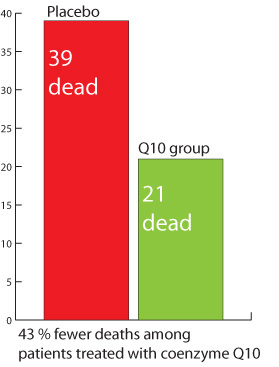
 A new study links thyroid disorders to female infertility. At the same time, it is known that selenium, an essential micronutrient, is required for normal functioning of the thyroid gland. Modern diets are depleted of selenium and the question is: Could selenium supplements be a good place to begin for infertile couples before embarking on expensive IVF therapy?
 "After about one week of taking the Q10 supplement I could feel a huge difference," says 23-year old Alan Piccini, who has been suffering from extreme fatigue and muscle aches ever since he was a child.
 “Taking capsules with co-enzyme Q10 has freed me of the severe side effects of my cholesterol lowering medicine,” Mrs Franken explains.