


Denmark sets the cancer record again
- and lacking certain nutrients may play a vital role
 New figures from the cancer database, Nordcan, reveal that Danish women hold the record in cancer prevalence, and both sexes still have the lowest cancer survival rate among the Nordic countries. Experts claim that this is linked to our lifestyle. However, cancer even occurs among people with healthy lifestyles, and international studies suggest that modern diets tend to lack optimal amounts of selenium, vitamin D and omega-3, all of which have cancer-preventive properties. Research also points to melatonin, also known as the sleep hormone.
- Created on .
 Q10 is involved in the energy turnover in all cells. The highest concentration of the compound is found in the heart, as this muscle needs to pump day and night and to supply muscle cells with more blood when we are physically active. The cellular energy turnover takes place inside some minute powerhouses called mitochondria. A Danish-Swedish study has shown that the mitochondria in the muscle cells of top-notch athletes have a different construction that makes them able to produce up to 25 per cent more energy. Earlier studies show that Q10 is able to improve athletic performance, and it all boils down to optimizing the energy turnover in the cells.
 It is commonly known that vitamin A is good for your vision, but most people are unaware that we also need specific nutrients in order for our hearing to function optimally. In this connection, age-related hearing loss is not necessarily linked to mechanical dysfunctions of the ear but rather to how the brain processes the sound information.
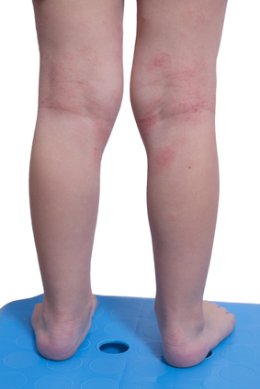 Fewer children have eczema around the age of 12 months if their mothers had higher levels of a particular B vitamin during pregnancy, according to a new study from the University of Southampton.
 Living in contradiction with the body’s natural sleep-wake cycle may be life-threatening, as shift work reduces the body’s production of melatonin, which controls our sleep pattern and many general physiological processes. However, taking melatonin supplements may compensate for the lowered endogenous production and even for shift work and other disturbances of the body’s sleep-wake cycle.
 Supplementing with high doses of vitamin D may lower the rate of acute airway infections by up to 40 per cent. This simple trick may have the potential to save millions of lives, as many older people, cancer patients and others people with impaired resistance die of pneumonia.
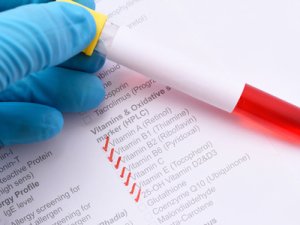 Lack of vitamin E increases your risk of fertility problems, atherosclerosis, blood clots, and Alzheimer's disease. The diet contains eight different forms of vitamin E. The vitamin is also available in supplement form, either as natural or synthetic vitamin E, and there are huge differences in terms of their effect.
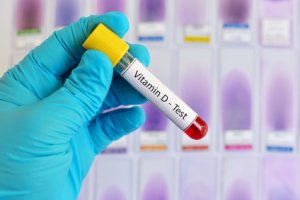 This time of year, many people suffer from asthma, aching joints, or an exacerbation of other chronic diseases that involve inflammation. This is often because they lack vitamin D, as the sun sits too low in the sky for us humans to be able to synthesize the vitamin. Also, the diet and normal vitamin pills only provide minimal amounts vitamin D. It has been known for a long time that vitamin D counteracts inflammation. Now, a large systematic study is planned to investigate how supplementing with large quantities of vitamin D can affect the molecular mechanisms that counteract inflammation.
 Vitamin K is primarily for its role in helping blood coagulate. Otherwise, the vitamin is heavily underrated. For instance, the bones depend on vitamin K, and those people who consume the greatest amounts of vitamin K have the lowest risk of cardiovascular disease, atherosclerosis, and blood clots. It is important to know the difference between vitamin K1 and K2 and to know how well they get absorbed in the body.