


Your brain and mood need vitamin C but are you getting enough?
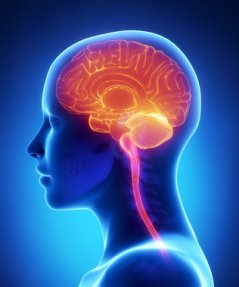 Vitamin C is extremely important for the brain’s blood vessels, nerve cells, neurotransmitters, and connective tissue. An estimated 10 percent of the adult population is vitamin C deficient without specific symptoms. According to a scientific article in the Danish journal Aktuel Videnskab, vitamin C deficiency during pregnancy may harm brain development in the fetus.
Read more about why vitamin C is important for your brain and mood
- Created on .
 All our cells contain different selenium compounds that support a number of vital functions, and which have several cancer-fighting mechanisms. As an antioxidant, selenium prevents iron from developing some of the most harmful free radicals that can damage cellular DNA and lead to uncontrolled cell division. This is why a selenium deficiency combined with excess iron is a lethal cocktail. Although iron is essential, it is vital that we do not get too much. It is also important to get plenty of selenium from food and/or supplements and in a form that the body can absorb and utilize in each and every cell in order to be properly protected against cancerous substances.
 Nothing beats a good night’s sleep. Still, sleep disturbances are widespread, and surprisingly many people struggle through the day, trying to survive on far too much coffee and other stimulants – and they cannot do anything about the problem. It turns out that many vegetarians, users of birth control pills, older people, and diabetics suffer from sleep problems because they lack vitamin B12. A vitamin B12 deficiency may also affect the nervous system and memory so it is vital to get enough of this nutrient.
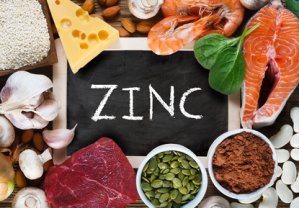 Even minor zinc deficiencies may cause poor digestion, infections, skin problems, and fatigue – and many other diseases may occur along the way. A new study shows that a diet with as little as four extra mg of zinc daily may strengthen cellular DNA and help protect the body. The four milligrams of zinc are about the same as populations with deficiency symptoms can get by eating zinc-enriched wheat and rice.
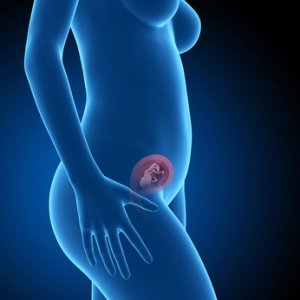 A team of scientists from Oregon State University in the United States has managed to explain why lack of vitamin E may cause neurological damage to the developing fetus, and why it increases the risk of spontaneous miscarriage. Their study is published in the science journal Free Radical Biology and Medicine and here, the scientists underline how important it is for both women who are pregnant and those plan pregnancy to get enough vitamin E.
 It came as good news for vegetarians, vegans and sclerosis sufferers when Danish health authorities allowed strong vitamin B12 preparations on the market some years ago. It was also positive that the active methylated form of vitamin B12 was added to the list of approved ingredients.
 Cancer researchers from the University of Iowa in the United States have finally clarified how extremely high doses of vitamin C given as infusions are able to kill cancer cells. It turns out that the low levels of the enzyme, catalase, in cancer cells make them vulnerable to vitamin C’s ability to generate free radicals. That way, vitamin C works like a type of chemotherapy, while, at the same time, stimulating normal activity in healthy cells. We are dealing with a treatment that is virtually devoid of side effects.
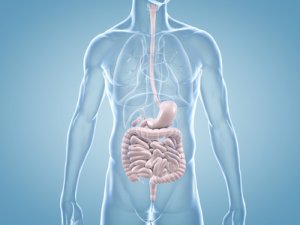 Every day, the intestinal immune system has to defend itself against hordes of microbes and toxins. If it fails to function optimally, there is an increased risk of infections, allergies, and inflammatory diseases. More and more research reveals that essential nutrients help to control the intestinal immune defense. Also, new research shows how important a well-functioning immune system is for our digestion and health in general. This article takes a closer look at the vitamins that are known to be particularly important for the intestinal immune system. Another thing that is vital is to have adequate amounts of gastric juice.
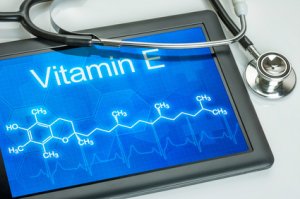 Millions of people who are overweight suffer from blood sugar imbalances and metabolic syndrome – often without being aware of it. A study shows that people with metabolic syndrome are severely vitamin E-deficient. This poses a serious threat to their health, as vitamin E is important for the liver, the cardiovascular system, the nervous system, and the body’s ability to protect its cells against oxidative stress and carcinogenic substances. The study, which is published in the American Journal of Clinical Nutrition, reveals that normal measurements of a person’s vitamin E status are misleading.