


Fish oil helps adults with autism and ADHD by improving their attention and working memory
 The rate of autism and ADHD has exploded over the past decades, and the problem comes with an enormous human and socio-economic price tag. A study from the University of Copenhagen has shown that fish oil helps adults with autism and ADHD by improving their attention and working memory. In the study that is published in British Journal of Nutrition, the scientists look closer at omega-3 fatty acids in fish oil and their vital role in the brain and nervous system.
- Created on .
 Since the 1950s, the rate of asthma has increased dramatically, especially among children and adolescents. Altered diet habits play a significant role, and now a Swedish population study shows that children who get too little omega-3 and too much omega-6 in their diets have an increased risk of developing asthma later in life. There is also evidence that increased intake of omega-3 fatty acids from oily fish or from fish oil supplements can counteract the inflammatory processes that are seen with asthma.
 Vitamin D2 occurs naturally in foods from the plant kingdom while vitamin D3 comes from animal sources. It is also vitamin D3 that we synthesize in our skin in response to sun exposure. Scientists from the Universities of Surrey and Brighton in Great Britain have now discovered that the two types of vitamin D have entirely different effects. They therefore sow doubts about vitamin D2’s role in human health, whereas vitamin D3 is known for its vital role in helping the immune system in its fight against infections such as COVID-19. Most cells in the body have vitamin D receptors, and the nutrient is also important for cancer prevention, the nervous system, our mood, and a number of other functions. Vitamin D3 from food, supplements, or sunshine must be activated in the body before it can be utilized.
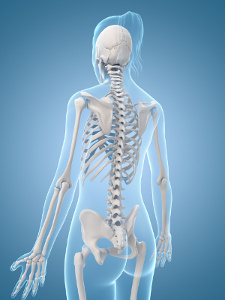 Many people avoid dairy products because they are lactose intolerant, are vegan, or for other reasons. Milk is a good source of nutrients, especially calcium, but you can easily get enough calcium from other food sources. What is more, it appears that vitamin D, vitamin K2, and the calcium/magnesium ratio is even more important than calcium alone for the structure and maintenance of strong bones. Another thing to remember is that sugar, soft drinks, stimulants, and certain types of medicine can disrupt the bone-building processes. Therefore, having strong bones is about a lot more than dairy products and calcium alone. Finally, don’t forget that daily weight-bearing exercise stimulates bone density.
 A team of scientists from Århus University Hospital has discovered that high-doses supplementation with vitamin B1 can help against chronic fatigue that is seen with chronic inflammatory bowel diseases like Crohn’s disease and ulcerative colitis. High doses of vitamin B1 may even help against chronic fatigue in fibromyalgia and other neurological disorders. The scientists have not yet mapped out how the large vitamin doses affect the brain and energy levels and several theories are on the table.
 Vitamin B12 is involved in the making of red blood cells. Its role in our nervous system is often overlooked. According to a large Irish study of older people that is published in British Journal of Nutrition, there is a link between lacking vitamin B12 and feeling depressed. Depression is a growing problem that comes with a huge human and socioeconomic price tag, which makes this study highly relevant. It is especially older people, public health servants, and politicians that should pay extra attention to vitamin B12 deficiencies and how to prevent them with simple and inexpensive means. It should also be noted that vegetarian and vegan diets, low stomach acid, and diabetes medication can increase the risk of having low levels of vitamin B12.
 Levels of magnesium in the blood are determining for the immune system’s ability to attack pathogens and cancer cells, according to a new study from the University of Basel and the University Hospital Basel. The scientists have discovered that the T cells of the immune system need magnesium in order to carry out proper attacks. According to the scientists, these results are extremely important because magnesium has a potential role in new immunotherapies targeted at cancer patients. It is generally important to get plenty of magnesium because this nutrient is vital for the body’s calcium distribution and for supporting hundreds of enzyme processes.
 Autoimmune diseases occur in the wake of chronic inflammation and are the result of the immune defense erroneously attacking the body’s own tissues. Rheumatoid arthritis, psoriasis, sclerosis, and Hashimoto’s disease (that causes hypothyroidism) are all examples of autoimmune diseases that primarily affect women and older people. The diet plays a significant role and according to a study published in The British Medical Journal, supplements of vitamin D and fish oil taken for extended periods can lower the rate of autoimmune diseases. This is useful knowledge because these diseases are on the rise and the medicine that is used to treat them often comes with serious side effects.
 Lack of vitamin D can impair your muscle function because it causes muscle cells to produce less energy, according to a study that is published in Journal of Endocrinology. The scientists use their study to argue that one can improve muscle function and reduce age-related loss of muscle strength in seniors by making sure they get enough vitamin D. If your muscles feel weaker during the winter period, you may want to consider taking a supplement.