


Fish oil supplements and certain antioxidants work in synergy to improve our memory
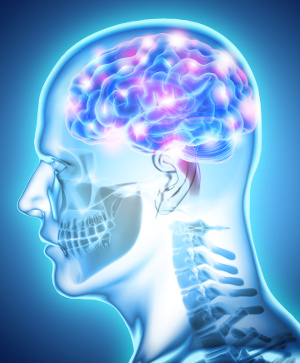 A well-functioning memory is vital for our quality of life. With the increasing number of seniors, however, the dementia rate is on an incline. According to a study that is published in Clinical Nutrition, it looks as if a combination of fish oil and antioxidants such as lutein and zeaxanthin may improve memory in elderly seniors. You can support your brain and memory on a daily basis by eating oily fish or fish oil supplements together with antioxidants from foods such as cabbage, spinach and other leafy greens, and eggs. Another important antioxidant is mezo-zeaxanthin that is found in certain fish and in fish skin.
- Created on .
 It is estimated that one billion people worldwide lack selenium. This has fatal consequences for public health because it increases the risk of virus infections, thyroid disorders, cardiovascular diseases, cancer, neurological disorders, and involuntary infertility. Adding to that problem is the fact that mercury, a known environmental toxin, throws a wrench into selenium’s different functions. In the following, we have compiled a long list of studies that look closer at the consequences of selenium deficiency and the advantage of optimizing the body’s selenium status with help from supplements.
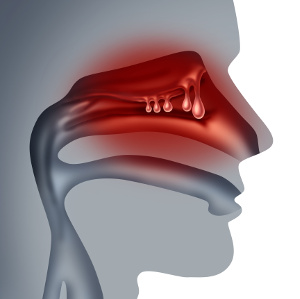 Nasal polyps are local growths that may cause runny nose, breathing difficulty, reduced sense of smell, and other symptoms. The polyps are a result of chronic inflammation that can have its roots in a number of causes. According to a new study that is published in Clinical Epidemiology and Global Health, patients with nasal polyps have lower levels of zinc in the affected tissue. Zinc is important for our immune system and for regulating inflammatory processes. Therefore, the nutrient may even have therapeutic potential because many people have relapses after their treatment. Earlier studies even suggest that patients with nasal polyps lack selenium, which is why one should also pay attention to underlying causes like respiratory allergies and food intolerance.
 The winter period is the time of year where we typically lack vitamin D, and this contributes to new waves of COVID-19 and other virus infections. Moreover, many older people, dark-skinned individuals, nursing home residents, and diabetics often suffer from chronic vitamin D deficiency which makes them much more vulnerable. Since the springe of 2020, numerous studies have demonstrated that lack of vitamin D increases the risk of COVID-19 infections, acute respiratory distress syndrome (ARDS), intensive care admission, and death. This is described in a new meta-analysis that is published in Frontiers in Public Health. Danish threshold levels for vitamin D in the blood are also too low, apparently. The question is: How much vitamin D do we really need?
 It is common knowledge that too much sun exposure can cause skin cancer. On the other hand, lack of sunlight is also a problem. If you expose yourself to plenty of sunlight during your childhood years it lowers your risk of developing multiple sclerosis later in life, according to a study from University of California and Australian National University. The reason why sunlight protects against multiple sclerosis and a number of other illnesses is that the sun is our most important source of vitamin D, a nutrient with multiple functions in the body. Therefore, it is essential to get plenty of sun as long as you avoid getting a sunburn. For people living at northern latitudes, it’s important to follow the official guidelines for vitamin D supplementation to make sure that we have enough vitamin D in our body at all times.
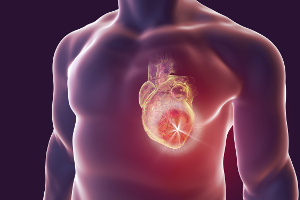 Vitamin D deficiencies are widespread and result in an increased risk of atherosclerosis, heart disease, and hypertension, according to a new study from University of South Australia. Because cardiovascular diseases are the leading cause of death globally, scientists see a huge potential in vitamin D, a nutrient that may be able to save millions of lives.
 Inflammatory bowel diseases (IBD) and irritable bowel syndrome (IBS) are common chronic bowel diseases. Earlier studies show that supplementation with vitamin D can alleviate local symptoms by strengthening the immune defense and controlling inflammatory processes. In a new review article, scientists have looked closer at how supplements of vitamin D can also improve mental health in patients with inflammatory bowel diseases and irritable bowel problems.
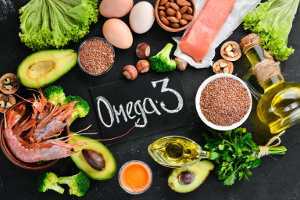 Apparently so. Omega-3 is a class of essential fatty acids with a host of different functions in the body. We primarily get omega-3 from oily fish but it is also found in certain other foods. Our intake of omega-3 has been reduced substantially as a result of altered diets and the use of unnatural animal feed. It appears that having more omega-3 in the blood can help us live longer. This was shown in a study that is published in American Journal of Clinical Nutrition. The question is how do we get enough omega-3?
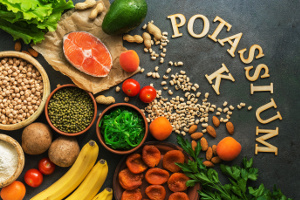 Potassium and sodium (which is found in regular table salt) work together in an elaborate and essential way in the body. Unfortunately, we get far too much concealed salt from industrially processed foods, and our intake of potassium from vegetables is often too low. This increases our risk of elevated blood pressure and stroke. Nonetheless, people on low-sodium diets have a lower risk of suffering a stroke and dying, according to a large Chinese study. The scientists assume that sodium may represent an inexpensive and simple way to improve public health. How important is it really to have the proper balance between sodium and potassium?