


Irritable bowel syndrome is linked to vitamin and mineral deficiencies
 Irritable bowel syndrome is a widespread condition that is characterized by pain and gastrointestinal discomfort with varying degrees of diarrhea and constipation. There can be a number of underlying causes, but diet plays a major role. Also, there is evidence that being deficient in B-vitamins, vitamin D, magnesium, calcium, iron, and zinc may be a contributing factor. In addition, strict dieting as part of the disease management may result in nutrient deficiencies, according to a review article that is published in Gastroenterology and Hepatology.
Read more about the link between irritable bowel and vitamin and mineral deficiencies
- Created on .

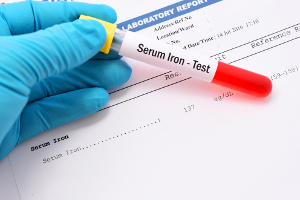 Iron deficiency typically results in anemia. Anemic children and teenagers don’t necessarily have distinct symptoms but are often pale and tired. Children with iron deficiency are also at increased risk of stunted growth, which makes this mineral extremely important for the developing child. Iron from animal food sources have the best absorption in the body, which means that a strictly plant-based diet may result in an iron deficiency. The same is the case if you consume too many dairy products, according to an article published in the science journal, JAMA Pediatrics. Here, the authors write that it is crucial for children to get enough iron, and they explain how to avoid a deficiency.
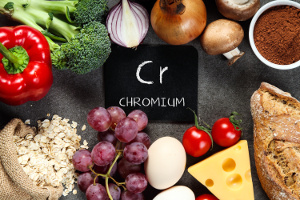
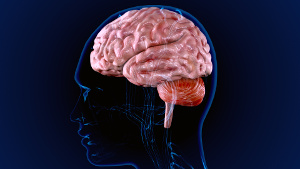 Brain cancer is associated with physical and cognitive disruptions, and many patients die within a few years. Compared with other cancers, the development of brain cancer is more complex and there has been focus on underlying causes such as head traumas, allergies, and electromagnetic radiation from cell phones, transmission towers, etc. Scientists have also looked at vitamins and brain health, whereas minerals have been ignored. Now, a team of Chinese scientists have conducted a large population study and found that higher intake of calcium, magnesium, iron, zinc, and copper is linked to a reduced risk of different types of brain cancer (gliomas). Apparently, selenium also has a protective effect.
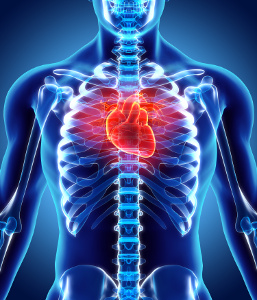 Cardiovascular disease is the leading cause of death worldwide, and our diet and lifestyle play a major role. According to an Australian study published in British Medical Journal, high-dosed vitamin D supplementation taken for several years lowers the risk of heart attacks or interventions such as angioplasty and by-pass surgery in people aged 60 years and older.

 Around 25 percent of adults have had canker sores, also referred to as recurrent aphthous stomatitis (RAS). The condition is characterized by painful, superficial sores, and we don’t know all that much about what causes it or how to treat it. However, according to a meta-analysis that is published in Frontiers in Nutrition, a possible cause may be low blood levels of vitamin D, a nutrient with a key role in oral health and immune defense.