Lacking a special selenium protein in the blood increases your risk of heart failure
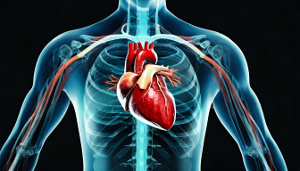 Having too little selenoprotein P in your blood increases the risk of heart failure, according to a Swedish population study, in which the authors look closer at selenoprotein P’s role as a marker of the body’s selenium status and as a precursor of other selenoproteins. We need more than 100 micrograms of selenium daily to properly saturate selenoprotein P, but because the European soil is low in selenium it is difficult to get enough from the diet.
- Created on .

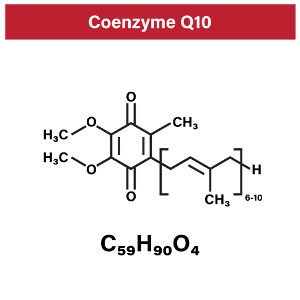 The body uses inflammation as part of its normal immune response to infections and tissue damage. If inflammation becomes chronic, however, it can be extremely dangerous. What happens is that it bombards the body with free radicals. This leads to oxidative stress and increases the risk of cell damage, overweight, and chronic diseases like type 2 diabetes, cardiovascular disease, autoimmune diseases, and different cancer forms. Diet and lifestyle play a major role, and according to a meta-analysis published in Frontiers in Pharmacology, Q10 supplementation can lower several markers of inflammation and oxidative stress.
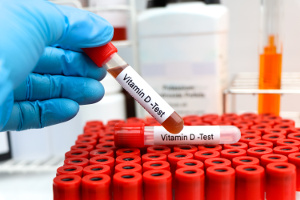 Many of us contract respiratory infections during the winter period. In many cases, the underlying cause is a deficiency of vitamin D, a key nutrient for immune health. Vitamin D also regulates the body’s inflammatory response, thereby preventing it from getting out of hand and becoming complicated or life-threatening. In a new review article, researchers looked at vitamin D’s role in preventing and fighting acute respiratory infections such as COVID-19 and influenza with particular focus on children and youngsters. The scientists point out that many people need to take higher doses of vitamin D to optimize levels of the nutrient in their blood.


 Magnesium is required for a well-functioning immune defense and for controlling inflammatory processes that are vital to our health. Magnesium also appears to protect against COVID-19 and other infections and the development of cancer, according to a review article published in Journal of Health, Population, and Nutrition. Our modern, refined diet, stress, ageing, stimulant abuse, and different types of medicine also contribute to the widespread problems with magnesium deficiency.