


Selenium and zinc improve survival in prostate cancer and other cancer forms
 Prostate cancer is the most common cancer form among men. In terms of existing therapies, there is room for improvement. According to a Polish study that is published in Nutrients, higher levels of selenium and zinc in the blood can improve survival. The study authors mention that these two nutrients also protect against other cancer forms.
Read more about how selenium and zinc can improve survival in prostate cancer and other cancer forms
- Created on .
 There is a growing interest among scientists in selenium’s role in the brain and nervous system, and a placebo-controlled study published in Frontiers in Nutrition shows that selenium supplementation is useful as an adjuvant in migraine therapy. The study authors describe that oxidative stress may involved in migraine attacks and mention that selenium has a protective effect due to its role as an antioxidant. Earlier studies have shown that other antioxidants like Q10 and magnesium also have a therapeutic value by way of other mechanisms that may work synergistically.
 Magnesium is important for numerous physiological functions. In a new review article published in Nutrients, researchers have looked at the relation between the body’s magnesium levels and a variety of different ageing markers. Also, they hypothesize that optimal intake of magnesium throughout life is an easy and inexpensive way to obtain healthy ageing.
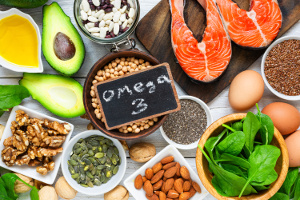 Ageing is characterized by increased physical and mental frailty that reduces one’s ability to deal with various external stress factors. Omega-3 fatty acids that are found in oily fish and fish oil supplements are believed to prevent frailty through their immune-regulating and anti-inflammatory properties, but studies have shown conflicting results. Nonetheless, daily intake of two grams of omega-3 appears to reduce frailty. According to a large population study that is published in Frontiers in Nutrition, it is also important to include moderate quantities of high-quality omega-6.

 Lack of vitamin B12 and folic acid increases the risk of Alzheimer’s disease, which is because these B vitamins regulate blood levels of homocysteine that must be below a certain threshold. Apparently, men and women react differently to B vitamins and folic acid with regard to cognitive functions, according to a study that is published in Nutrients. The risk of developing Alzheimer’s disease is also lower among younger people and among those who drink tea or coffee. Unfortunately, many older people lack these particular B vitamins because of poor diet habits, low stomach acid, or the use of various medical drugs.