


Vegetarian and vegan diets often lack iodine and other essential nutrients
 There is a trending global shift towards vegetarian or vegan diets. However, these diets come with a risk of lacking essential nutrients that are primarily found in animal food sources. According to a large meta-analysis of Western diets, one of them is iodine. Iodine deficiency is a worldwide problem and has serious consequences because of iodine’s vital role in the thyroid function, energy production, estrogen balance, fertility, and healthy pregnancy outcome.
- Created on .


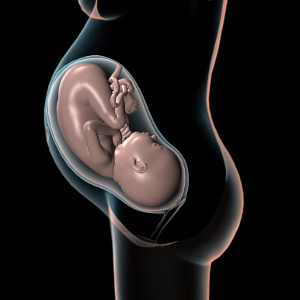 Iodine is involved in the body’s production of thyroid hormones, and we humans need plenty of iodine throughout life, especially during periods such as fetal development and child development. Iodine is also important for brain development and cognitive skills. Severe iodine deficiency during pregnancy and during a child’s first years of life may result in stunted growth and/or mental retardation, but there has been uncertainty about how a minor iodine deficiency affects the child before and after birth. In a review article that is published in Nutrients, the authors look closer at iodine’s role in fertility and child growth. Apparently, iodine deficiencies are quite common, and we even need selenium and other nutrients to secure a well-functioning thyroid gland.
 Danish scientists from Aalborg University have published a study of mice in which they demonstrate that vitamin D prevents cancer by affecting a particular kind of gut bacteria. A subsequent analysis of 1.5 million Danes shows a similar relation between low vitamin D levels in the blood and an increased risk of several cancer types. What is also worth mentioning is that the official vitamin D recommendations appear to be too low to be able optimize blood levels of the nutrient.
 Zinc has many different functions in the immune defense and a zinc deficiency increases the risk of infections and diarrhea, which are global causes of disease and mortality. According to a study published in Physiological Reports, being zinc-deficient can also lead to influenza complications such as bacterial pneumonia that is potentially lethal. The authors assume that zinc plays a key role in the body’s defense against respiratory infections, including COVID-19. They write that factors such as unhealthy diets, ageing, alcoholism, intestinal diseases, and various types of medicine can increase the body’s need for zinc.
 Most people are unaware of vitamin C’s key role in mental health and mood. According to a large population study that is published in Frontiers in Nutrition, having higher levels of vitamin C in the blood is linked to a lower risk of depression. The official dietary recommendations for vitamin C only focus on preventing the potentially lethal deficiency disease called scurvy, and things like stress, ageing, stimulant use, overweight, infections, and chronic illnesses can increase your need for the nutrient.