


Lack of vitamin D during pregnancy and the baby’s first years of life increases the risk of asthma and allergy
 The number of small children affected by asthma and allergy is a growing worldwide problem. Vitamin D deficiency is also an increasing problem among pregnant women and newborn babies. Vitamin D is important for a well-functioning immune defense and for that reason, a team of Dutch scientists have looked closer at the relation in a review article. They conclude that having sufficient vitamin D in the blood during pregnancy and the first years of life can lower the risk of developing asthma and allergies. The scientists also observed that vitamin D supplements can lessen the burden of these widespread diseases. Their study is published in Nutrients.
- Created on .
 Plant-based vegan diets have become increasingly popular among young adults and they even introduce these diets to their children. It is common knowledge that vegan diets lack vitamin B12, which is why many vegans take a supplement. However, a sizeable number of vegans also lack iodine, iron, zinc, and selenium. Most studies have looked at adults but it appears that children on vegan diets also risk metabolic changes, and they have lower blood levels of vitamins A and D compared with children on normal diets. This was demonstrated in a new study that is published in the esteemed international science magazine, EMBO Molecular Medicine.
 An increasing number of young women risk giving birth to babies with an insufficiently developed mental capacity due to
 The diet’s content of vitamin C, vitamin B6, vitamin B12, folic acid, and other vitamins has a positive impact on our mental and physical health and well-being Lack of vitamins may even remedy depression and chronic pain, according to a Japanese study of seniors. The number of seniors worldwide is increasing with more and more people being affected by physical and mental disease. Therefore, scientists want to take a closer look at the diet and its influence on quality of life measured by different accounts.
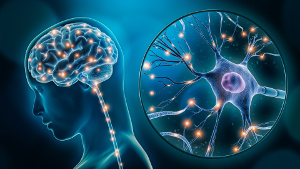 Neurologists agree that the brain’s neurons constantly change in relation to stimuli from the inside and outside environment. That is how we learn new skills and develop our memory. The brain’s ability to adapt and change is called neuroplasticity and doctors have suspected for a long time that it takes place in the synapses. A team of scientists from the University of Freiburg in Germany has discovered that a vitamin A-like compound affects the neurons and their ability to adapt to structure and function. The scientists hope that their discovery can contribute to the development of new therapies for treating brain disorders. Earlier studies have shown that omega-3 fatty acids, vitamin D, and lifestyle in general also affect the brain’s neuroplasticity and development.

 The immune system cannot function without
 Having higher blood levels of
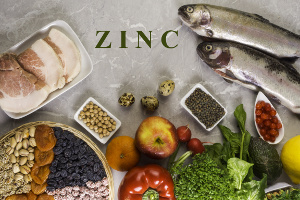 Type 2 diabetes is spreading like a bushfire with many people unaware that they have the disease. Diabetes increases your risk of cardiovascular disease, blood clots, and early death. A group of scientists from the University of St. Andrews in Scotland has looked closer at the different processes and studied the trace element zinc and its ability to improve the outcome of therapy by preventing dangerous blood clots. The new study is published in the Chemical Science journal.
 Women who are overweight before becoming pregnant have an increased risk of abnormal fetal growth and low birth weight. However, it appears that fish oil supplementation can lower the risk of these complications, according to a new pilot study that is published in the science journal, Nutrients. The scientists behind the study explain how omega-3 fatty acids in fish oil support a healthy pregnancy and help control inflammation, insulin sensitivity, and lipid metabolism, all of which tend to be off balance in overweight pregnant women.
 Vitamin D’s role in maintaining proper health is well documented. Still, many older people lack the nutrient and that increases their risk of bone fractures, blood poisoning, and disease complications that can eventually lead to hospitalization. Also, they risk prolonged hospitalization according to a new Irish study published in the scientific journal Nutrients. The scientists recommend giving vitamin D supplements to seniors to increase their blood levels of vitamin D. Other studies even suggest that this can protect against COVID-19, as low vitamin D status is associated with an increased risk of being hospitalized with the disease.
 "After about one week of taking the Q10 supplement I could feel a huge difference," says 23-year old Alan Piccini, who has been suffering from extreme fatigue and muscle aches ever since he was a child.
 “Taking capsules with co-enzyme Q10 has freed me of the severe side effects of my cholesterol lowering medicine,” Mrs Franken explains.