


Vitamin D supplements and their effect on mental health in people with bowel disorders
 Inflammatory bowel diseases (IBD) and irritable bowel syndrome (IBS) are common chronic bowel diseases. Earlier studies show that supplementation with vitamin D can alleviate local symptoms by strengthening the immune defense and controlling inflammatory processes. In a new review article, scientists have looked closer at how supplements of vitamin D can also improve mental health in patients with inflammatory bowel diseases and irritable bowel problems.
- Created on .
 Apparently so.
 Critically ill patients often suffer from inflammation and oxidative stress, which is an imbalance between harmful free radicals and protective antioxidants. In worst case, this may result in tissue damage and organ failure. It turns out
 There is worldwide focus on finding better ways to prevent and treat COVID-19 because of the limited effect of vaccines. It is important to understand why the infections are harmless in most cases and why only a small number of people are affected by ARDS (acute respiratory distress syndrome), which is complicated and involves hyperinflammation. What represents the real problem here and what makes these infections life-threatening is a derailed and overactive immune defense. Multiple studies have already demonstrated that lack of vitamin D increases the risk of being infected with COVID-19 ending up in intensive care, and the studies also show that vitamin D supplements have a therapeutic potential. In a new review article that is published in Clinical and Molecular Allergy, researchers look closer at the synergy between vitamin D, magnesium, and zinc in relation to their ability to regulate the immune system and as potential therapeutic agents. It is also vital to have enough selenium, a nutrient that many people lack.
 HIV, the virus that causes AIDS, is potentially life-threatening because it attacks central cells in the immune defense. It has also been documented that HIV patients have an increased risk of lacking
 Hereditary hemochromatosis is a group of diseases that involve iron accumulation in the body. This leads to oxidative stress and tissue destruction which may affect the liver and other organs. According to a new Argentinian study, patients with hereditary hemochromatosis lack
 Migraine is a common neurological disease that reduces quality of life and results in many sick days. Migraine medication does not work for everyone and many people have adverse effects, so it makes more sense to focus on prevention. A new American study shows that diets with higher levels of
 When it comes to COVID-19 and other seasonal virus infections most of the focus is concentrated on vitamin D deficiency. According to a Belgian study, however, lack of selenium and zinc additionally increases the risk of infections, complications, and death, especially among patients who already suffer from chronic diseases. The scientists conclude that supplementation with selenium and zinc may help improve treatments. Selenium and zinc deficiencies are rather common and that is a problem for public health. Even with a healthy diet, it is practically impossible for Europeans to get enough selenium because of the nutrient-depleted farmland. There are also many people with zinc deficiencies due to unhealthy diets, ageing, chronic diseases, and other contributing factors. We must be much more focused on getting enough selenium and zinc, not least for the sake of preventing virus infections and other problems.
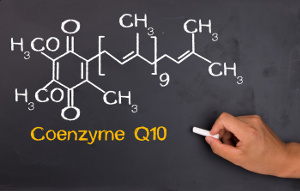
 "After about one week of taking the Q10 supplement I could feel a huge difference," says 23-year old Alan Piccini, who has been suffering from extreme fatigue and muscle aches ever since he was a child.
 “Taking capsules with co-enzyme Q10 has freed me of the severe side effects of my cholesterol lowering medicine,” Mrs Franken explains.