


Omega-3 can mitigate asthma
- while omega-6 can aggravate the disease
 Omega-3 and omega-6 fatty acids in our diet have opposite effects on the severity of asthma in vulnerable children. Omega-3 appears to reduce the severity of asthma symptoms, while omega-6 seems to make the symptoms worse, according to an article published in the American Journal of Respiratory and Clinical Care Medicine. The problem with modern diets is that they tend to contain far too little omega-3 and far too much omega-6. However, this is something one can correct with help from dietary changes and fish oil supplements.
Read more about how omega-3 can mitigate asthma, while omega-6 can do the opposite
- Created on .
 Vitamin K occurs in various forms and has a number of different biological function. The most recent research focuses on vitamin K2, which is of vital importance to the body’s calcium distribution and therefore has a crucial role in bone building and in the prevention of atherosclerosis. Vitamin K2 is also important for various proteins that are involved in energy turnover, blood sugar regulation, and cancer prevention, according to a review article that is published in BioMed Research International. Actual vitamin K2 deficiencies are considered rare, yet there are studies to suggest that many people lack the nutrient due to altered diet habits and the use of cholesterol-lowering medicine. The question is how much vitamin K2 do we actually need?
 Lack of selenium, an essential trace element, may cause thyroid disorders, cardiovascular disease, virus infections, AIDS, infertility, neurological disturbances, and cancer. An estimated one billion people worldwide are selenium-deficient. This is mainly a result of nutrient-depleted soil, which is a real problem in places like Europe. For decades, scientists have been warning about this problem, and a lot suggests that we need more than the officially recommended intake to protect ourselves effectively against disease, according to a review article published in StatPearls.
 Antioxidants such as vitamin C are able to counteract chromium-6 poisoning, according to a new study that is published in Experimental Biology. Chromium-6 (hexavalent chromium) is used for many industrial purposes, and the different signs of poisoning such as cancer were described in the movie “Erin Brockovich” that is based on a true story. Now, Danish scientists even claim that the threshold level for chromium-6 is far too high and gives a false sense of security. It is vital to avoid exposure to chromium-6 and to get plenty of protective antioxidants. However, we depend on chromium-3 (trivalent chromium) for controlling our blood sugar levels.
 Elevated blood pressure causes more premature deaths worldwide than any other factor. Blood pressure is regulated by a number of things such as diet and lifestyle. Science has also discovered that low blood levels of zinc contribute to high blood pressure because it impairs the ability of the kidneys to regulate sodium levels. This was demonstrated recently in a study that is published in American Journal of Physiology – Renal Physiology. Clinical zinc deficiencies are especially common among type 2 diabetics and people with kidney ailments. Subclinical zinc deficiency is also quite common. Even if you get plenty of zinc from your diet, the risk of poor zinc absorption increases with age. Vegetarian and vegan diets, overconsumption of calcium, drinking too much alcohol, using birth control pills and several types of medicine, plus certain other factors can also increase the risk of a zinc deficiency.
 Tuberculosis (or TB) is one of most widespread diseases in the world. It claims millions of human lives every year, especially in underdeveloped countries. A team of scientists from Queen Mary University in London has discovered that vitamin D supplements can support therapies used in the treatment of multi-resistant TB, which can otherwise last quite a long time and comes at a considerable cost. Earlier studies have shown that vitamin D generally helps prevent the disease by supporting the immune system in different ways.
 Stress is associated with a host of physical and psychological health problems such as headache, fatigue, tension, insomnia, sore throat, constipation, flu-like symptoms, depression, and anxiety. Stress is not all in your mind. It is a physiological condition that affects the whole body and increases your need for specific nutrients. Earlier studies carried out with humans and animals have shown that supplements of magnesium and vitamin B6 both have the potential to reduce stress symptoms. Now, a team of French scientists has carried out a randomized study showing for the first time ever that a combination of magnesium and vitamin B6 administered to people with severe stress and magnesium deficiency works better than magnesium supplementation alone.
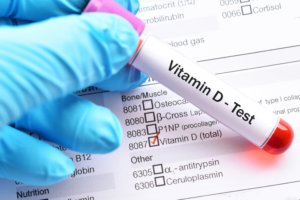 All cells in the body depend on vitamin D. Unfortunately, many people lack the nutrient, and the list of diseases caused by too little vitamin D is growing. A new study from Trinity College in Dublin shows that it is possible to measure vitamin D levels in hair, and this can reveal the large fluctuations that occur in the course of a year, and which an ordinary blood test fails to show. The scientists can see a huge potential with this new type of measurement, which can even be used on historical populations such as the ancient Egyptians or on prehistoric animals such as the mammoths.
 Scientists from Queensland in Australia have discovered that vitamin D is of vital importance to the structure and health of the brain. Also, deficiencies of the nutrient may lead to dysfunctions and loss of cognitive skills plus depression and schizophrenia. More than one billion people worldwide are believed to lack vitamin D. This may have widespread consequences for their health and may even be linked to the huge increase in mental illnesses.