


Taking vitamin D can lower your melanoma risk by 50 percent
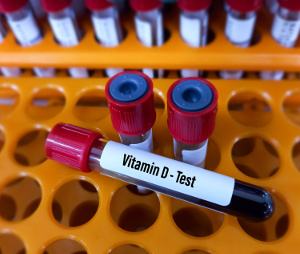 Considerably fewer cases of melanoma are found among people who take vitamin D supplements regularly compared with those who don’t. This was demonstrated in a new Finnish study that is published in Melanoma Research. The study supports earlier research that shows that lack of vitamin D doubles your risk of dying of melanoma.
Read more about how vitamin D supplementation halves the risk of melanoma
- Created on .
 The brain is particularly vulnerable towards oxidative stress and local inflammation that can set the stage for Alzheimer’s disease and other neurological conditions. However, it turns out that certain selenium-containing antioxidants are able to protect the brain neurons against damage. Also, selenium supplements can improve cognitive performance in patients suffering from mild cognitive impairment and Alzheimer’s disease, according to a meta-analysis that is published in Nutrients.
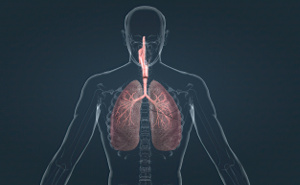 Vitamin C is of vital importance to our immune defense, and it serves as a powerful antioxidant to protect cells and tissues. Large quantities of vitamin C are able to improve lung function in patients with chronic obstructive pulmonary disease (COPD) and other chronic lung disorders. This was demonstrated in a large meta-analysis published in International Journal of Chronic Obstructive Pulmonary Disease.
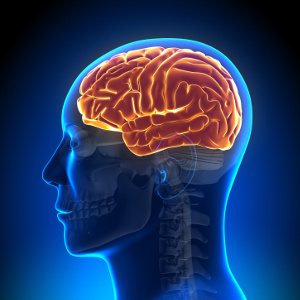 Alzheimer’s is a growing health burden worldwide, and diet appears to play a major role. A large meta-analysis published in Frontiers in Aging Neuroscience recently revealed that patients with Alzheimer’s disease have lower levels of magnesium in their blood and cerebrospinal fluid compared to healthy controls. This suggests that being magnesium-deficient may be a risk factor in Alzheimer’s disease.
 Depression is often caused by brain inflammation, and it looks as if high-dosed supplementation with EPA, a type of omega-3 fatty acids found in fish oil, may help as it reduces depression in patients with elevated inflammation markers in the blood. This was shown in a study that is published in The Journal of Clinical Psychiatry.
 Bone fractures can be fatal, especially in old age where hip fractures typically result in hospitalization and early death. According to a study from Edith Cowan University in Australia, increased intake of vitamin K1 from foods like spinach, cabbage, and other vegetables lowers the risk of bone fractures later in life. Vitamin K1’s positive effect on bone health is linked to the fact that K1 is converted into vitamin K2 in the intestine, and vitamin K2-dependent proteins clear calcium from the bloodstream and embed the mineral in bone tissue.
 Millions of people worldwide drink arsenic-polluted water regularly. Arsenic is a toxin that is known to cause different types of cancer, including skin cancer. According to a new study published in American Journal of Cancer Research, it looks as if the active form of vitamin D, calcitriol, can prevent the onset of arsenic-induced skin cancer in a special type of skin cells. Calcitriol also appears to be able to prevent other types of cancer caused by arsenic.
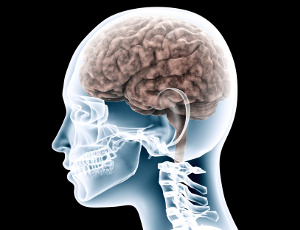 Neuroplasticity refers to the brain ability of brain cells to carry out structural and functional changes that are of vital importance to our development and health. It has been shown that neuroplasticity is impaired in connection with various diseases of the central nervous system, including such conditions as depression and dementia. In a review article that is published in Brain Plasticity, scientists have looked closer at how exercise, the Mediterranean diet, and nutrients like omega-3 and vitamin B12 can improve neuroplasticity by way of a protein called BDNF (brain-derived neurotrophic factor). Selenium is also known to be important for the formation of new brain cells, which can help prevent cognitive decline via other mechanisms.
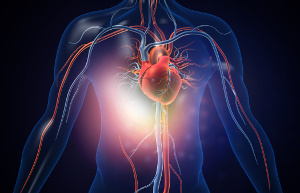 Cardiovascular disease is still the leading cause of death, and both diet and lifestyle are of huge importance. According to a new meta-analysis, fish oil, folic acid, and Q10 are some of nutrients with the greatest potential to lower the risk. It is important to underline that supplements are not likely to make much of a difference if the dosage is too low or if the quality of the preparations is poor.