


Trauma patients benefit from early intervention with selenium
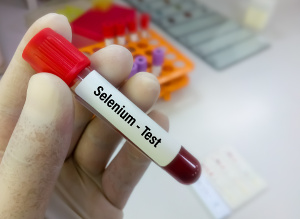 Both physical traumas and critical illnesses are associated with inflammation and oxidative stress where free radicals can cause potentially life-threatening damage to cells and tissues. Traumas are estimated to be the cause of one in ten deaths. New research suggests that early intervention with selenium may shorten the hospital stay including the days spent in intensive care and reduce total mortality. This was shown in a study published in Frontiers in Nutrition where the researchers looked closer at selenium’s unique antioxidant properties and anti-inflammatory effect.
Read more about why trauma patients benefit from early intervention with selenium
- Created on .
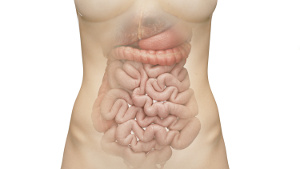 All the different B vitamins are of vital importance to our energy levels, nervous system, skin, hair, and health in general. Our daily diet is the primary source of the vitamins but the intestinal flora is able to synthesize, consume, and compete for vitamin B in the host. Interactions between the body and the gut flora is therefore important for how we absorb and utilize the different B vitamins. On the other hand, lack of B vitamins or supplementation with B vitamins can also affect our gut flora, according to a review article that is published in Frontiers in Nutrition.
 Seniors have an increased risk of cardiovascular disease, which is the leading cause of death. It is commonly known that diet plays a key role in preventing these diseases, and a team of scientists therefore decided to look closer at zinc because of this nutrient’s many functions in the heart and cardiovascular system. The scientists found that older people often lack zinc for different reasons. Therefore, the dietary guidelines for zinc in old age should be reconsidered with regard to cardiovascular health and other zinc-dependent functions.
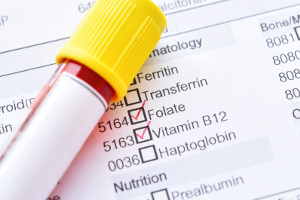 People suffering from the Crohn’s disease, an inflammatory bowel disorder, often lack folic acid and vitamin B12. It is also known that this disease can be triggered by an infection with Mycobacterium avium subspecies paratuberculosis (MAP), a type of bacteria that can survives in pasteurized milk. A new study that is published in Nutrients has found why lack of folic acid and vitamin B12 disrupts the immune defense, thereby contributing to chronic inflammation that can occur in the wake of an infection with MAP.
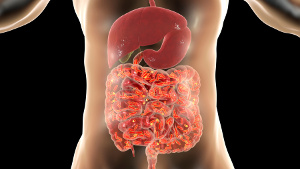 Selenium is an essential trace element of vital importance to our general health. The nutrient is also important for our gut flora, and being selenium-deficient may increase the risk of irritable bowel syndrome, inflammatory gut diseases like Crohn’s disease and ulcerous colitis, and even bowel cancer. Our intestine is also called our “third brain” because both our gut flora and digestion have a significant influence on our mental well-being, according to a review article published in Frontiers in Nutrition. The authors focus on selenium because selenium deficiencies are common in China, Europe, and many other places, and supplementation may be necessary.
 Vitamin D is important for multiple metabolic processes. However, overweight individuals have difficulty with activating the form of vitamin D that we get from supplements, and that impairs their utilization of the nutrient. Therefore, vitamin D supplements work differently on those who take them to prevent diseases like cancer, diabetes, and autoimmune diseases, according to a large American study called VITAL. A group of scientists looked closer at the study and found that overweight people may have an increased need for vitamin D.
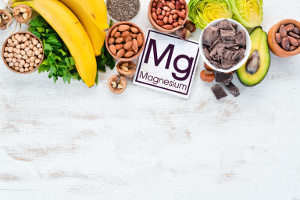 Stable blood sugar levels are essential for our health, our energy levels, and our mood. However, millions of people across the globe suffer from insulin resistance and have impaired glucose uptake in their cells. Insulin resistance also occurs in people with type 2 diabetes. In a review article that is published in Advanced Biomedical Research, the authors look closer at magnesium’s role in connection with insulin resistance, blood sugar levels, and energy turnover. They conclude that magnesium supplementation may be relevant for people with insulin resistance and type 2 diabetes, and it is even important to get enough magnesium for preventing these conditions that come with an enormous human and socio-economic price tag.
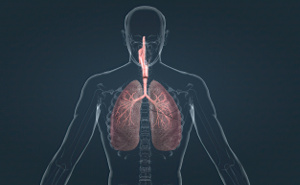 COPD, a lung disease that is primarily a result of smoking, is one of the leading causes of death. Asthma, however, may also become life-threatening if it is left untreated. According to a meta-analysis published in Journal of Global Health, vitamin D supplementation may improve lung function in both diseases. The authors look at how vitamin D strengthens the immune defense and controls inflammation.
 Over the past decades, it has been common practice to use zinc in creams and salves for treating various skin disorders. Zinc has wound-healing, antibiotic, and anti-inflammatory properties that make it useful for such purposes. In a review article that is published in International Journal of Molecular Sciences, the authors look closer at zinc’s role in skin health. They also look at whether zinc supplementation may positively affect eczema, acne, psoriasis, herpes, and other skin diseases. The authors also address the fact that around one third of the world’s population is zinc-deficient.