


Old people and nursing home residents get too little vitamin D
- and lacking responsibility contributes to the complicated COVID-19 infections
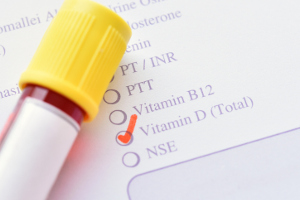 Health authorities worldwide recommend supplements of vitamin D to older people, nursing home residents, and people who get too little sun. However, most old people are not familiar with these recommendations, and vitamin D supplements are not handed out routinely in old age homes. Because of the widespread problems with vitamin D deficiency in these vulnerable groups, their risk of disease is increased. Also, they risk that a COVID-19 infection becomes complicated and life-threatening. A new British study set out to investigate the current practical guidelines for administering vitamin D supplements to nursing home residents and the responsibility for making sure this happens. The investigators believe that we desperately need a solution to this serious problem right now, considering the scope of the pandemic.
- Created on .
 Older people can easily become deficient of vitamins and minerals, which can weaken their immune system and make them more prone to infections and prolonged periods with disease. On the other hand, older people who take a multivitamin and mineral supplement with zinc and large quantities of vitamin C experience fewer days with disease and have less severe symptoms, according to a placebo-controlled study from Oregon State University. But many multivitamin supplements do not contain enough vitamin D and it is very important for older people to get enough of this nutrient.
 A panel of physicians and professors collaborating with the Swiss Society for Nutrition (SSN) recently reviewed the scientific evidence on the role of micronutrients in supporting a well-functioning immune defense for optimal health with particular focus on viral infections related to COVID-19. They conclude that there is widespread lack of vitamin C, vitamin D, selenium, zinc, and omega-3 fatty acids, all of which are crucial nutrients for the immune system. These deficiencies contribute to new waves of COVID-19 and can cause the infections to become life-threatening. The panel calls for immediate action with relevant focus on diet and supplements.
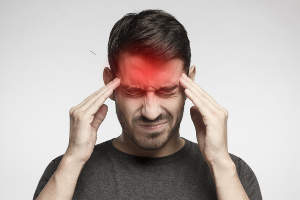 Magnesium deficiencies are rather common and can easily occur if you get too little magnesium from your daily diet. It has been known for a long time that lack of magnesium can cause tension headache and migraine. In fact, many randomized, double-blind studies show that high-dose magnesium supplements can relieve both migraine and headaches, provided the supplements have good bioavailability so the magnesium can enter the cells, where it controls a dozen of enzyme processes. A review article written by Italian scientists from Milan and published in the journal Nutrients takes a closer look at this.
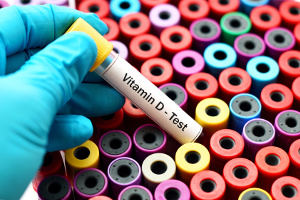 COVID-19 is highly unpredictable and be either totally harmless or life-threatening. Scientists from Oak Ridge National Laboratory in Tennessee recently made a comprehensive genetic analysis that reveals a new hypothesis – the bradykinin hypothesis – which shows why COVID-19 attacks the way it does, why symptoms vary, and why some groups of people are more vulnerable than others. The hypothesis also underpins the importance of getting enough vitamin D to prevent or possibly treat the disease. Vitamin D deficiency in the winter period is quite common and that may pave the road for new rounds of COVID-19 and an increased risk of complications.
 Vitamin D is important for a strong immune defense, healthy bones and cardiovascular system, cancer prevention, and for the support of many other essential body functions. However, it is not enough to follow the official guidelines for intake levels or to rely on blood tests. According to Carsten Carlberg, a professor at the University of Eastern Finland (UEF), the explanation lies in the fact that we humans respond widely different to vitamin D, so the optimal vitamin D dose varies from one individual to another. Based on years of research, Carsten Carlberg therefore advises all adults living at northern latitudes to take 100 micrograms of vitamin D daily throughout the winter period, just to be safe. Earlier studies indicate that the official recommendations for vitamin D are based on a miscalculation that has had fatal consequences for public health.
 Neuropathic pain is caused by disease or damage in the somatosensory nervous system. According to a new review article that is published in the scientific journal Nutrients, it seems that therapy with vitamin B12 may have a positive effect on this type of pain. It also appears that vitamin B12 deficiency is rather common in people with diabetic neuropathy, which is a serious complication that may result in amputation in worst case. Therefore, it is vital that diabetics make sure to get enough vitamin B12. Patients with pain caused by peripheral neuropathy may also consider taking the other B vitamins and vitamin D.
 Oily fish and fish oil contain the long-chained omega-3 fatty acids, EPA and DHA, that are of vital importance to the brain, the nervous system, and our mental health throughout life. Today, most people on a global scale lack these omega-3 fatty acids because of altered dietary habits, including the use of unnatural animal fodder. Low intake of omega-3 increases the risk of various ailments such as ADHD, autism, depression, borderline personality disorder (BPD), and bipolar disorder. Fish oil supplementation may therefore offer promise as prevention and part of the therapy used to treat a number of these disorders. The problem with modern diets is their disproportionate content of omega-6 at the expense of omega-3, an imbalance that may derail a number of physiological functions of importance to our mental health, according to a review article published in the science journal, Nutrients.
 Life cannot exist without coenzyme Q10. The compound is necessary for the energy turnover in all our cells. It also functions as a powerful antioxidant that protects the heart and cardiovascular system against oxidative stress. Humans are able to synthesize Q10 but our endogenous production decreases with age. Heart failure patients also have reduced levels of Q10 which can be fatal, but decades of research have shown that Q10 supplements can improve quality of life and reduce mortality by close to 50 percent, according to a review article in Journal of Clinical Medicine. Here, the authors refer to 90 published articles. It is also important to get enough selenium, which helps Q10 function optimally.
 "After about one week of taking the Q10 supplement I could feel a huge difference," says 23-year old Alan Piccini, who has been suffering from extreme fatigue and muscle aches ever since he was a child.
 “Taking capsules with co-enzyme Q10 has freed me of the severe side effects of my cholesterol lowering medicine,” Mrs Franken explains.