


Denmark’s infection control agency: Low levels of vitamin D linked to serious COVID-19 infections
 Vitamin D is of vital importance to a well-functioning immune defense and it protects against virus infections. This has been confirmed by Denmark’s infection control agency, Statens Serum Institut, and researchers from Harvard University in Boston, USA. In a study, the Danish and American scientists found that having low levels of vitamin D in the blood is associated with a greater risk of severe disease outcome in patients with COVID-19.
Read more about why low vitamin D levels cause serious COVID-19 infections
- Created on .
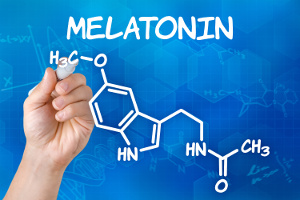 In the summertime, we synthesize vitamin D in our skin when we expose ourselves to sunlight. Vitamin D is a nutrient that is of vital importance to mood and health in general. When it is dark outside, we produce melatonin, which is important for our sleep. In addition to that, melatonin has a number of other important functions. Over the past decades, science has focused on its potential in the prevention of cancer, Alzheimer’s disease, sclerosis, and several other diseases. Apparently, vitamin D and melatonin work as hormones day and night and are of vital importance to the immune system. Also, they regulate inflammation, protect cells, and have many other functions. In a new review article that is published in Nutrients, the scientists refer to melatonin as the “next vitamin D”. Also, they mention that many people get too little sunlight during the day and too little darkness at night, which results in a deficiency of both vitamin D and melatonin.
 Fish contains vitamin D, omega-3 fatty acids, selenium, and iodine, all of which are important for the fetus’ brain and development. However, fish also contains mercury and that discourages many pregnant women from eating fish. According to a new study that is published in NeuroToxicology, eating fish during pregnancy is actually not harmful at all, on the contrary, and the scientists behind the study argue that the precautionary guidelines need to be revised. Apparently, the selenium content in fish and seafood determines if mercury is dangerous or not.
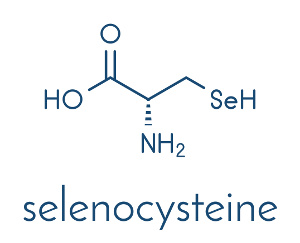 Selenium is a trace element that supports well over 25 different selenoproteins, which are important for our energy turnover, blood sugar balance, metabolism, cell protection, and a host of other essential functions. A group of scientists from Rutgers University in New Jersey, USA, has just uncovered the mechanisms involved in getting selenium into the “engine room” of the cells, from where it is metabolized into the different selenoproteins. According to the scientists, this new insight into the metabolism of selenium may lead to new therapies that can treat a variety of diseases such as diabetes, metabolic disorders, and cancer.
 Blood levels of vitamin D serve as an early indicator of future health problems such as cardiovascular disease, osteoporosis, and cancer, according to a review article that was presented recently to the European Society of Endocrinology. Lack of vitamin D is rather common and a threat to public health, which is why the scientists suggest measuring levels of total vitamin D and free vitamin D in the blood. By optimizing levels of the nutrient in the blood it is possible to prevent a host of different lifestyle diseases as well as early death. It is not enough just to take any random vitamin D supplement. It must contain the right dose and have good absorption in order to be able to optimize vitamin D levels in the blood.
 Calcium and vitamin D normally get all the attention when it comes to bone health. However, magnesium also plays a crucial, but often overlooked, role. This was demonstrated in a large population study that is published in Frontiers in Nutrition. The study links lower dietary magnesium to a greater risk of developing osteoporosis, especially for women aged 55 years and older. Osteoporosis normally takes many years to develop so it is vital to get plenty of magnesium from the diet or from supplements. Also, beware that excessive calcium intake, antacids, and diuretics block the body’s ability to absorb and utilize magnesium.
 Immunotherapy has a special potential when used to treat cancer, which is because this particular type of therapy inhibits special molecules that block the body’s own defense mechanism against cancer cells. A team of scientists from Texas has discovered that vitamin E inhibits a particular molecule, thereby boosting the immunotherapy’s ability to stimulate important white blood cells. The scientists made this discovery by analyzing clinical data and in-depth laboratory studies. Vitamin E may play a future role in the prevention
 Many critically ill patients lack vitamin D to an extent that can be life-threatening. This also goes for patients hospitalized with COVID-19. A large meta-analysis concludes that supplementation with vitamin D can lower all-cause mortality and reduce the duration of patients’ stay in intensive care. In the meta-analysis, the researchers look at the mechanisms that enable vitamin D to regulate inflammation and oxidative stress, which can lead to organ failure in critically ill patients.
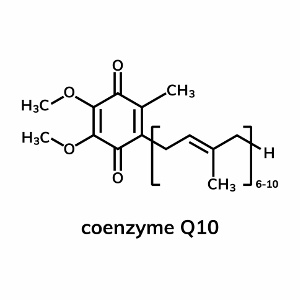 Primary Q10 deficiency is a rare dysfunction where the body’s missing ability to synthesize Q10 can lead to a rare type of nephrotic disease that cannot be treated with medicine. According to a new study that is published in Kidney International, however, it appears that Q10 supplementation can reduce the kidneys’ protein excretion, protect renal function, and lower mortality. Based on their findings, the scientists conclude that all patients with primary Q10 deficiency should ideally receive early and life-long Q10 therapy in order to prevent the disease from progressing and to avoid future organ damage.
 "After about one week of taking the Q10 supplement I could feel a huge difference," says 23-year old Alan Piccini, who has been suffering from extreme fatigue and muscle aches ever since he was a child.
 “Taking capsules with co-enzyme Q10 has freed me of the severe side effects of my cholesterol lowering medicine,” Mrs Franken explains.