


Vitamin D inhibits harmful inflammation
 Many people suffer from chronic inflammation, which sets the stage for a host of diseases such as asthma, type 2 diabetes, atherosclerosis, depression, cancer, rheumatoid arthritis, and other autoimmune diseases. The presence of chronic inflammation may also make infections such as coronavirus and influenza potentially life-threatening by derailing the immune defense. According to a new study from the University of South Australia that is published in International Journal of Epidemiology, it appears that vitamin D can inhibit inflammation by way of different mechanisms, thereby reducing the risk of a variety of diseases and even premature death. The need for vitamin D varies from person to person. Also, it is essential to make sure that blood levels of the nutrient are optimal and that vitamin D is properly activated in the body.
Read more about how vitamin D inhibits unhealthy inflammation
- Created on .
 Vitamin K occurs naturally in different forms. The vitamin is primarily known for its role in blood coagulation, but a team of German scientists has found a new type of vitamin K. This form serves as a very particular type of antioxidant that counteracts cell death caused by a process called ferroptosis. Because ferroptosis is involved in the development of Alzheimer’s disease, acute organ damage, and other diseases, the researchers see a whole new potential for vitamin K in the prevention and mitigation of ferroptosis-related ailments. Earlier studies even suggest that selenium-containing antioxidants also protect against cell death caused by ferroptosis.
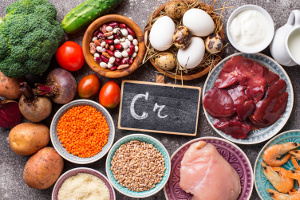 Chromium is primarily known for its role in insulin utilization and blood sugar control. However, chromium is also important for macronutrient metabolism and the circulatory system. Chromium’s role in health has been debated and a group of scientists have looked closer at the link between low blood levels of chromium and global health burdens such as cardiovascular disease, type 2 diabetes, and depression. How do we get enough chromium from the diet and what supplements have the highest bioavailability?
 Zinc is involved in numerous enzyme processes and proteins that are of importance to fertility and pregnancy. The nutrient also plays a role in fetal brain development and the child’s health later in life, according to a review article that is published in the scientific journal, Nutrients. The authors address the fact that zinc deficiencies are rather common and account for around 20 per cent of infant deaths, typically around the time of birth. It is therefore important to get plenty of zinc throughout life – especially for women before, during, and after pregnancy and while they breastfeed.
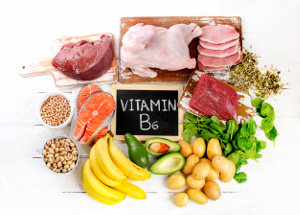 Several studies have revealed that B vitamins strengthen the nervous system and reduce symptoms of stress. However, very few studies have looked at how the individual B vitamins work. A new placebo-controlled study that is published in the science journal, Human Psychopharmacology, appears to show that high-dosed vitamin B6 boosts the body’s formation of a certain neurotransmitter that blocks the exchange of undesirable impulses between brain cells, and this has a calming effect. In addition, vitamin B6 seems to reduce symptoms of depression
 Poor wound healing, a somewhat common and well-known problem, especially among hospital patients, is associated with huge health costs. Proper wound healing is contingent upon on the presence of different nutrients, and it appears that the ratio between omega-3 and omega-6 fatty acids is particularly important. This was demonstrated in a new study of rats, where higher intake of omega-3 at the expense of omega-6 turned out to have the best effect on the formation of new blood vessels, increased collagen synthesis, and faster wound healing. In the study, which is published in Nutrients, the authors look closer at the fact that modern diets typically contain too much omega-6 and too little omega-3, and this contributes to problems such as cardiovascular disease, overweight, diabetes, and other lifestyle diseases.
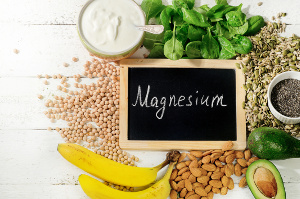 The ageing process and most chronic diseases like diabetes, cardiovascular disease, and cancer involve chronic inflammation that has the potential to damage healthy tissue. If acute hyperinflammation occurs, for example in connection with virus infections like influenza and COVID-19, the condition may become potentially life-threatening. It is therefore vital that the body can control the different inflammatory processes. One of the things that is needed for this is magnesium, according to a meta-analysis that is published in Nutrients. Here, the researchers look closer at how magnesium supplementation is able to reduce different pro-inflammatory markers. Magnesium also helps activate vitamin D, which is also necessary for controlling inflammation.
 Dementia is on the rise across the globe but according to a study from University of South Australia, vitamin D may have the potential to pull the brake on the degenerative processes. The scientists have observed a direct link between the widespread problems with vitamin D deficiency and the increasing rate of dementia. At the same time, they assume that optimizing people’s vitamin D status in the blood may help prevent millions of dementia cases worldwide. The need for vitamin D varies from person to person, it should be noted, and many people have a higher need for the vitamin than what is officially recommended.
 During pregnancy, the unborn child needs different nutrients for proper development of its brain and nervous system. Even if the mother eats a balanced diet, it can be difficult to get enough selenium for a number of reasons. In a new Italian animal study that is published in Nutrients, scientists have looked closer at selenium’s role during pregnancy and lactation. They observed that even minor selenium deficiencies can have a negative effect on the offspring’s brain development and behavior. This study supports earlier human studies showing how vital it is for the mother to get plenty of selenium during pregnancy and breastfeeding.
 "After about one week of taking the Q10 supplement I could feel a huge difference," says 23-year old Alan Piccini, who has been suffering from extreme fatigue and muscle aches ever since he was a child.
 “Taking capsules with co-enzyme Q10 has freed me of the severe side effects of my cholesterol lowering medicine,” Mrs Franken explains.