


Zinc deficiency increases the risk of virus infections and subsequent dangerous pneumonia
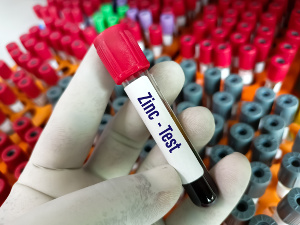 Zinc has many different functions in the immune defense and a zinc deficiency increases the risk of infections and diarrhea, which are global causes of disease and mortality. According to a study published in Physiological Reports, being zinc-deficient can also lead to influenza complications such as bacterial pneumonia that is potentially lethal. The authors assume that zinc plays a key role in the body’s defense against respiratory infections, including COVID-19. They write that factors such as unhealthy diets, ageing, alcoholism, intestinal diseases, and various types of medicine can increase the body’s need for zinc.
- Created on .
 Most people are unaware of vitamin C’s key role in mental health and mood. According to a large population study that is published in Frontiers in Nutrition, having higher levels of vitamin C in the blood is linked to a lower risk of depression. The official dietary recommendations for vitamin C only focus on preventing the potentially lethal deficiency disease called scurvy, and things like stress, ageing, stimulant use, overweight, infections, and chronic illnesses can increase your need for the nutrient.
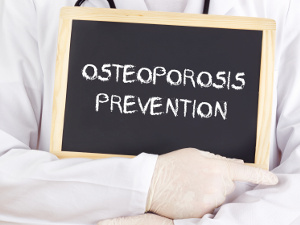 Vitamin D is important for cellular calcium uptake, bone health, and a number of other functions. There is also a direct link between the widespread vitamin D deficiency problem and brittle bones and osteoporosis among post-menopausal women, according to a large Chinese study that is published in Frontiers in Nutrition. It is important to include magnesium and vitamin K2, as they also contribute to bone health.

 Patients admitted to the intensive care unit often lack vitamin D, resulting in more complications, prolonged ICU stay, and increased mortality compared with patients who have adequate vitamin D levels in their blood. This was demonstrated in an Iranian study from three hospitals. The study is published in BMJ Nutrition. Many older people and individuals with chronic diseases generally lack vitamin D, which is a problem.

 "After about one week of taking the Q10 supplement I could feel a huge difference," says 23-year old Alan Piccini, who has been suffering from extreme fatigue and muscle aches ever since he was a child.
 “Taking capsules with co-enzyme Q10 has freed me of the severe side effects of my cholesterol lowering medicine,” Mrs Franken explains.