


High-dosed antioxidant supplementation delays the development of the eye disease AMD
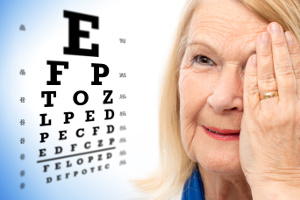 AMD is a common eye disorder that involves symptoms such as blurred central vision and eventual blindness. There are two types of AMD – a wet and a dry form. Neither is curable. However, in a new analysis of data, researchers from the National Institutes of Health (NIH) in the US have found new evidence showing that high-dosed daily supplementation with antioxidants like lutein and zeaxanthin combined with different vitamins and minerals can delay the development of the eye disease and late stages of the dry form of AMD. This could potentially help people with dry AMD maintain part of their central vision. The mentioned antioxidants that are found in eggs and various vegetables may also prevent AMD, altogether.
- Created on .
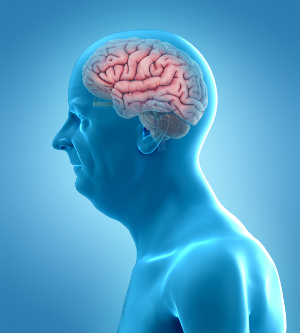
 Age-related loss of muscle mass is a natural process and may result in increased feebleness and even disability. Strength training and diet play a major role, and older people need more protein, especially an essential amino acid called leucine. In addition, supplements of vitamin D, omega-3 fatty acids, and probiotics can have a positive impact on muscle mass and muscle strength, according to a review article that is published in Frontiers in Nutrition.
 Ever since the COVID-19 pandemic started, scientists have focused on vitamin D. This nutrient strengthens and regulates the immune defense in a number of different ways. Numerous studies have shown that lack of vitamin D increases the risk of being infected with COVID-19 and running into complications. High-dosed vitamin D supplementation of COVID-19 patients can lower their risk of being admitted to the intensive care unit and dying of the disease, according to a new meta-analysis that is published in Nutrients.
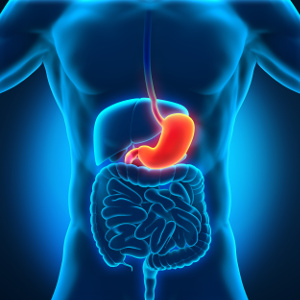

 The two omega-3 fatty acids, EPA and DHA, are of vital importance to the development of a baby’s brain and central nervous system during pregnancy and the first years of life. The best sources of these fatty acids are oily fish and fish oil supplements. There is widespread deficiency of these fatty acids, which increases the risk of a lower IQ, ADHD, depression, or other neurological disturbances in the baby, according to a review article published in Nutrients. It is also important for brain health to balance one’s intake of omega-3 and omega-6.

 "After about one week of taking the Q10 supplement I could feel a huge difference," says 23-year old Alan Piccini, who has been suffering from extreme fatigue and muscle aches ever since he was a child.
 “Taking capsules with co-enzyme Q10 has freed me of the severe side effects of my cholesterol lowering medicine,” Mrs Franken explains.