 Type 2 diabetes is associated with metabolic disorders and a number of complications such as cardiovascular disease, high blood pressure, kidney disease, eye damage and nerve damage. Type 2 diabetes is a lifestyle disease in which the modern refined diet plays a major role. It appears that a higher intake of magnesium from a coarse and green diet, as well as from supplements, can reduce adult diabetics’ risk of premature death due to cardiovascular disease, kidney disease and all other causes. This was shown in a population study published in Diabetic Medicine.
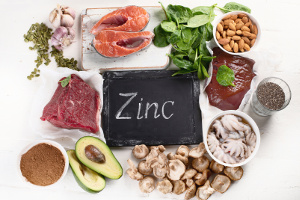 Type 2 diabetes is characterized by insulin resistance, oxidative stress, and other metabolic disturbances. As a result, the risk of overweight, fatigue, cardiovascular disease, nerve damage, erectile dysfunction, and other symptoms increases. Diet and lifestyle play an important role, and it now appears that zinc supplementation is associated with improvements in insulin sensitivity, blood sugar levels, and markers of oxidative stress in individuals with diabetes. This is shown by a meta-analysis published in Endocrinology, Diabetes & Metabolism.
 Elevated blood levels of uric acid (hyperuricemia) is a common metabolic disorder that can lead to the formation of crystals in the joints and gout. Elevated uric acid also increases the risk of cardiovascular disease, and it appears that patients who are deficient in vitamin D have an even greater risk of developing cardiovascular disease, including atherosclerosis and narrowing of the coronary arteries, according to a large Chinese population study published in PLOS ONE.
 The body’s metabolism encompasses all processes that convert food into energy, as well as those that maintain stable blood sugar levels, normal lipid balance, and normal blood pressure. Metabolic health is therefore crucial in the prevention and management of a range of lifestyle-related diseases. Selenium plays a key role through various enzymatic processes and as a protective antioxidant. Since seleniumdeficiency is widespread, a team of researchers has reviewed a number of studies examining how selenium supplementation may be relevant in metabolic disorders, including insulin resistance and metabolic syndrome, which is a precursor to type 2 diabetes. Selenium supplementation may also be relevant in connection with various thyroid disorders.


