


Vitamin C’s role in health
- and why are certain exposed groups at risk of deficiency: new report
 Vitamin C plays a key role in our energy turnover, immune defense, connective tissue, wound healing, antioxidant protection, cardiovascular health, brain, and a host of different enzyme processes. An English population study has shown that having low blood levels of vitamin C is associated with poor physical condition and that may spawn a number of different symptoms. The researchers behind the study also found that people from lower social classes, smokers, men, and older people in general are more likely to be deficient. Alcohol abuse, sugar abuse, stress, and poisoning may also increase the need for the nutrient, which means that many people may benefit from taking a supplement or improving their diet. The big question is how much vitamin C do we actually need for optimal health?
- Created on .
 Involuntary childlessness has become increasingly common. Many women find themselves in a race against time, and their biological clock keeps ticking louder and louder. Fertility therapies, miscarriages, preeclampsia, and other complications during pregnancy contribute to the physical and emotional burden. In a new Australian study that is published in Nutrients, the authors write about
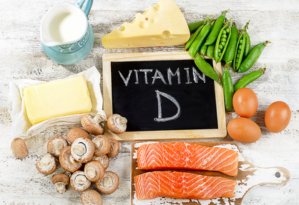 A growing number of people suffer from overweight and type 2 diabetes, both of which are problems that come at a cost both to society and to the individual. The traditional dietary guidelines are not of much use, and many people find themselves in a hopeless battle because they also suffer from insulin resistance with impaired cellular glucose uptake. Countless epidemiological studies have demonstrated that the widespread lack of
 Those with a higher dietary intake of
 Diabetes is spreading with epidemic proportions, and an alarmingly high number of people are affected by metabolic syndrome, an early stage of diabetes that causes insulin resistance, elevated cholesterol, hypertension, and enlarged waist circumference. Ever since the 1970s, diabetics have been advised to stick with a low-fat diet consisting of bread, potatoes, and other carbohydrate sources. However, a new Danish study reveals that it is best to cut back on your carbohydrate intake. The new message to diabetics supports research from other parts of the world. Diabetics and people with sensitive blood sugar should focus on eating a diet with fewer carbohydrates, more protein, and more healthy fats. They should also make sure to get enough chromium, vitamin D, and magnesium, all of which are nutrients that support the body’s blood sugar levels. Furthermore, vitamin B12 and Q10 are important for those, who take diabetes medication and cholesterol-lowering drugs (statins).
 Lack of dietary
 Diabetes is spreading like a bushfire across the globe, but even if governments, doctors, and health authorities have tried desperately to bend the curve, they have not succeeded so far. On the contrary. Today, diabetes is controlled with help from different medical drugs that do not address the underlying cause and actually affect or organ systems. Because of this, diabetics often have impaired quality of life and shorter lifespans than healthy individuals. What is more, diabetics have widespread vitamin B12 and vitamin D deficiencies, which are associated with diabetic neuropathy, which is a serious complication. Cholesterol-lowering drugs (statins) are also linked to reduced levels of Q10, a compound that is necessary for energy turnover, the heart, and the cardiovascular system.
 Heart failure is when the heart loses power and is no longer able to deliver blood to the different parts of the body. Typical symptoms are shortness of breath and physical exhaustion. There may also be symptoms like fluid retention, persistent coughing, chest tightness, increased sweating, or cold sensitivity. Chronic heart failure may be caused by different things, and it is a life-threatening condition. However, according to a study that is published in Journal of Clinical Investigation, magnesium supplementation can improve a type of heart failure called diastolic dysfunction. Previous studies have demonstrated that supplements of Q10 can also improve cardiac function in patients with heart failure.

 The number of Danes suffering from one or several chronic diseases is a lot higher than previously thought, according to a group of scientists behind a new study from Danish Center for Healthcare Improvement at Aalborg University. Diseases such as hypertension, elevated cholesterol, depression, bronchitis, asthma, type 2 diabetes, rheumatism, and osteoporosis are among the most widespread ailments. Although there may be a reason of underlying factors, diet and lack of essential nutrients often play a key role. This is something that we have written about over the years on this website, and we have tried to gather some facts from various articles. Simple diet changes and the use of relevant nutritional supplements may play a key role in the treatment of these chronic ailments that come at a huge price, both to the individual sufferer and to society.
 Expecting mothers should pay careful attention to getting enough vitamin D all year round, especially because vitamin D deficiencies are so commonplace, to begin with. Lack of vitamin D at birth and the first years of life is associated with an increased risk of infant hypertension, and the problem can even continue to adulthood. This was shown in a study that is published in the science journal Hypertension. The researchers advise pregnant women to have their vitamin D levels measured, and they even recommend vitamin D supplements for pregnant women and children as a way of preventing elevated blood pressure later in life.
 "After about one week of taking the Q10 supplement I could feel a huge difference," says 23-year old Alan Piccini, who has been suffering from extreme fatigue and muscle aches ever since he was a child.
 “Taking capsules with co-enzyme Q10 has freed me of the severe side effects of my cholesterol lowering medicine,” Mrs Franken explains.