Fish oil helps prevent prediabetes from progressing to diabetes

Fish oil helps prevent prediabetes from progressing to diabetesType 2 diabetes is a serious disease that is spreading at epidemic proportions. Many people have prediabetes without knowing it, with signs such as frequent hunger, apple-shaped obesity, insulin resistance, elevated cholesterol, and high blood pressure. Diet and lifestyle play a major role, and according to a study published in Research, fish oil supplementation may reduce the risk that people with prediabetes will go on to develop type 2 diabetes. In their article, the authors take a closer look at how the active omega-3 fatty acids in fish oil - EPA and DHA - help regulate insulin sensitivity, blood glucose, and other metabolic disturbances. In addition, simple dietary changes may further improve blood sugar control and weight management.

Read more about how fish oil helps prevent prediabetes from progressing to diabetes

  • Created on .

Widespread iron deficiency increases the risk of lung infections

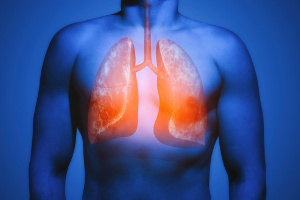
Widespread iron deficiency increases the risk of lung infectionsIron deficiency is a global health problem that increases the risk of respiratory infections, anemia, and other serious diseases. Evidence now suggests that iron deficiency in early childhood may prevent immune cells in the lungs from producing key proteins that are essential for fighting viral infections and establishing immune protection. Notably, this effect appears to persist even after the body’s iron stores have been replenished. As a result, children and adolescents who have experienced iron deficiency may remain more vulnerable to viral infections later in life. These findings come from a new US study conducted at Columbia University Irving Medical Center.

Read more about how widespread iron deficiency increases the risk of lung infections

  • Created on .

Optimal vitamin D doses halve the risk of recurrent heart attacks

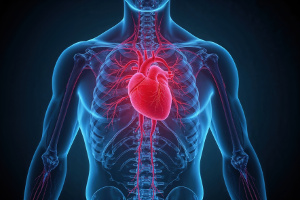
Optimal vitamin D doses halve the risk of recurrent heart attacksVitamin D deficiency is widespread, and current health authority recommendations are too low for cardiovascular health. A new U.S. study from Intermountain Healthcare in Salt Lake City shows that high-dosed vitamin D supplements, sufficient to optimize blood levels, can halve the risk of a repeat heart attack in patients who have already experienced one. According to the researchers, heart patients should have their vitamin D levels measured and adjusted with appropriate supplementation. However, this remains an underemphasized area, with many lives lost as a result.

Read more about how optimal vitamin D doses can halve the risk of recurrent heart attacks

  • Created on .

Eye diseases are linked to vitamin and mineral deficiencies and overweight

Eye diseases are linked to vitamin and mineral deficiencies and overweightVitamins and minerals are crucial for eye health and vision because they are involved in numerous metabolic processes and act as powerful antioxidants that protect the vulnerable eyes and optic nerve from damage caused by free radicals and oxidative stress. Evidence suggests that deficiencies in vitamins A, B, C, and D, as well as minerals such as magnesium, selenium, zinc, and copper increase the risk of dry eyes, cataracts, AMD, optic nerve damage, and other eye diseases. In addition, being overweight can be an additional risk factor for AMD, diabetic retinopathy, and glaucoma, according to a review published in Nutrients. The authors emphasize that early detection of deficiencies and targeted supplementation can prevent or slow the progression of many eye diseases.

Read more about how eye diseases are linked to vitamin and mineral deficiencies and overweight

  • Created on .

Why are older adults more susceptible to infections

- including serious complications?

Why are older adults more susceptible to infectionsOlder adults are more easily infected with influenza, COVID-19, and other infections and are also at greater risk that these infections will develop into complications such as pneumonia or acute respiratory distress syndrome (ARDS), which can be potentially life-threatening. One major reason is chronic “inflammaging” caused by widespread deficiencies of vitamin D, vitamin C, selenium, zinc, omega-3 fatty acids, and Q10. This not only increases the risk of infection but also the risk that the immune system will overreact with hyperinflammation, which is the real reason why respiratory infections and sepsis can become life-threatening. Overall, it appears that aging processes increase the need for specific nutrients, and if the immune system is well supplied, it will usually handle most pathogens without causing any symptoms.
Read more about why older adults are more prone to infections – including serious complications

  • Created on .

Chromium supplementation has therapeutic effects in PCOS

Chromium supplementation has therapeutic effects in PCOSPCOS (polycystic ovary syndrome) is the most common cause of involuntary infertility. Women with PCOS often have elevated blood glucose levels due to insulin resistance, which contributes to the development of the condition. However, evidence now suggests that chromium supplementation may have therapeutic effects on insulin sensitivity, blood glucose control, ovulation, and the chance of becoming pregnant. Remarkably, this effect appears to be just as effective as the diabetes drug metformin - yet without side effects. These findings are reported in a meta-analysis published in Endocrinologica, Diabetes and Nutrition. As part of PCOS treatment and blood sugar regulation, it is also recommended to limit carbohydrate intake and place greater emphasis on getting adequate protein and healthy fats with all main meals.

Read more about the therapeutic effects of chromium supplementation in PCOS

  • Created on .

Antidepressant medication can disrupt the body’s important sodium balance

Antidepressant medication can disrupt the body’s important sodium balanceAlthough health authorities advise against consuming too much salt (sodium), it is still an essential mineral that is crucial for electrolyte and fluid balance. Minor deficiencies can cause symptoms such as fatigue, muscle weakness, dizziness, and headaches. More severe deficiencies can lead to exhaustion, fainting, or other neurological conditions, which in the worst case can be life-threatening. Evidence also suggests that commonly used antidepressant drugs, such as SSRIs and SNRIs, increase the risk of the body lacking this vital mineral. This was shown in a meta-analysis published in BMC Pharmacology and Toxicology. Attention should also be paid to other side effects of antidepressant medication.

Read more about how antidepressant medication can disrupt the body’s important sodium balance

  • Created on .

Early menopause and infertility can be caused by a deficiency of vitamin D, vitamin E, and selenium

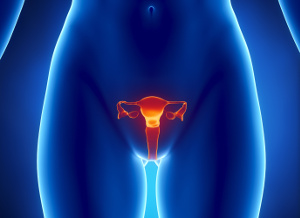
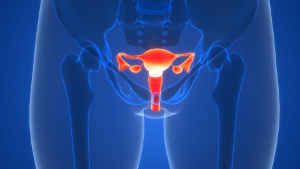
Early menopause and infertility can be caused by a deficiency of vitamin D, vitamin E, and seleniumWhen a woman’s ovaries fail to function normally and menopause occurs before the age of 40, the condition is referred to as premature ovarian insufficiency (POI). The accompanying hormonal imbalances cause symptoms such as menstrual irregularities and infertility. Mood swings, fragile mucous membranes, osteoporosis, and other complications may also occur. According to a review article published in Health Science Reports, widespread deficiencies in vitamin D, vitamin E, and selenium appear to increase the risk of premature ovarian insufficiency, whereas supplementation with these nutrients may improve ovarian function and hormonal balance.

Read more about how early menopause and infertility can be caused by a deficiency of vitamin D, vitamin E, and selenium

  • Created on .