


Lack of iodine during pregnancy may harm the baby’s mental development
 An increasing number of young women risk giving birth to babies with an insufficiently developed mental capacity due to iodine deficiency. The deficiency may be a result of nutrient-depleted soil and altered diets with fewer iodine-containing animal sources. Also, many people have a preference for sea salt and Himalayan salt rather than iodine-enriched salt. Iodine deficiency appears to be most prevalent among women who eat plant-based vegan diets, but it is also seen among women with normal diets that include meat. This was demonstrated in a study from the University of South Australia. The challenge for pregnant women is to get adequate amounts of iodine and to find iodine-enriched table salt that has proper quality and does not contain anti-caking agents such as aluminum.
Read more about how iodine deficiency during pregnancy can harm the baby’s mental development
- Created on .
 The diet’s content of vitamin C, vitamin B6, vitamin B12, folic acid, and other vitamins has a positive impact on our mental and physical health and well-being Lack of vitamins may even remedy depression and chronic pain, according to a Japanese study of seniors. The number of seniors worldwide is increasing with more and more people being affected by physical and mental disease. Therefore, scientists want to take a closer look at the diet and its influence on quality of life measured by different accounts.
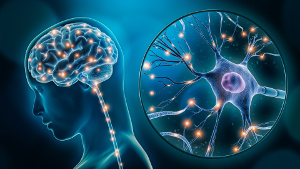 Neurologists agree that the brain’s neurons constantly change in relation to stimuli from the inside and outside environment. That is how we learn new skills and develop our memory. The brain’s ability to adapt and change is called neuroplasticity and doctors have suspected for a long time that it takes place in the synapses. A team of scientists from the University of Freiburg in Germany has discovered that a vitamin A-like compound affects the neurons and their ability to adapt to structure and function. The scientists hope that their discovery can contribute to the development of new therapies for treating brain disorders. Earlier studies have shown that omega-3 fatty acids, vitamin D, and lifestyle in general also affect the brain’s neuroplasticity and development.
 Vitamin D is involved in the development of the brain structure and in brain functions. According to a review article that is published in Nutrients, vitamin D is of particularly great importance to the mental health of children and teenagers due to its long-term effect. This subject is highly topical as it is known that the widespread lack of vitamin D among children increases their risk of anxiety, depression, aggressive behavior, and other mental problems. It is vital for children and teenagers to get plenty of sun and supplements if necessary so they are sure to meet the new guidelines for vitamin D.
 The immune system cannot function without vitamin D. In fact, blood levels of the nutrient should ideally be higher than the official threshold values for optimal protection against COVID-19 and other respiratory infections, according to a new study from the University of Chicago Medicine that is published in JAMA. An estimated 50 percent or so of the world’s population is believed to lack vitamin D, and people with dark skin are particularly vulnerable. It has been shown in previous studies that the majority of people who test positive for COVID-19 lack vitamin D. Therefore, scientists plan to look at whether daily vitamin D supplementation can help prevent COVID-19 infections or reduce serious symptoms. The researchers mention that it often takes high-dosed supplements to optimize levels of vitamin D in the blood.
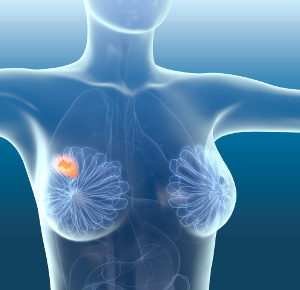 Having higher blood levels of selenium, an essential trace element, increases a breast cancer patient’s chances of 10-year survival, according to a Polish population study that is published in the science journal Nutrients. Also, earlier research has shown that supplementation with selenium yeast can lower the risk of contracting a variety of different cancer forms. The agricultural soil in Europe is very low in selenium and that is one of the reasons why selenium deficiencies are so common. The question is how much selenium we need to optimize levels in the blood.
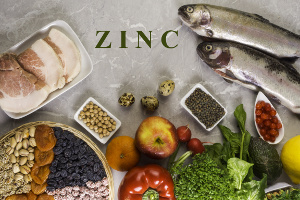 Type 2 diabetes is spreading like a bushfire with many people unaware that they have the disease. Diabetes increases your risk of cardiovascular disease, blood clots, and early death. A group of scientists from the University of St. Andrews in Scotland has looked closer at the different processes and studied the trace element zinc and its ability to improve the outcome of therapy by preventing dangerous blood clots. The new study is published in the Chemical Science journal. Zinc deficiencies are rather common and type 2 diabetes in itself increases the need for this nutrient.
 Women who are overweight before becoming pregnant have an increased risk of abnormal fetal growth and low birth weight. However, it appears that fish oil supplementation can lower the risk of these complications, according to a new pilot study that is published in the science journal, Nutrients. The scientists behind the study explain how omega-3 fatty acids in fish oil support a healthy pregnancy and help control inflammation, insulin sensitivity, and lipid metabolism, all of which tend to be off balance in overweight pregnant women.
 Vitamin D’s role in maintaining proper health is well documented. Still, many older people lack the nutrient and that increases their risk of bone fractures, blood poisoning, and disease complications that can eventually lead to hospitalization. Also, they risk prolonged hospitalization according to a new Irish study published in the scientific journal Nutrients. The scientists recommend giving vitamin D supplements to seniors to increase their blood levels of vitamin D. Other studies even suggest that this can protect against COVID-19, as low vitamin D status is associated with an increased risk of being hospitalized with the disease.