Do you have pain and rheumatism in your joints?
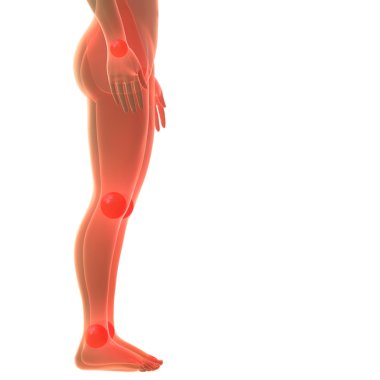
Do you have pain and rheumatism in your joints?Choose natural solutions instead of potentially lethal medicine

Rheumatic diseases and aching joints are extremely common. One in eight Europeans takes arthritis medication, thereby increasing his or her risk of numerous side effects and premature death. Rheumatism and aching joints are typically caused by inflammation. Research shows that the problems can often be treated with dietary changes and the use of supplements that address the underlying causes and make the pain vanish by itself.
Arthritis drugs take more lives than diabetes and traffic accidents. 7-8% of Europeans use anti-inflammatory painkillers that increase their risk of sensitive gastro-intestinal mucous membranes, indigestion, bleeding ulcers, heart disease, and thrombosis. Calculations show that arthritis drugs take more lives every year than traffic fatalities and diabetes together, making this type of medicine a far greater threat. Most people are unaware of this.

Continue reading

  • Created on .

Researchers reveal concerning calculation error:

Researchers reveal concerning calculation errorALARM: We are getting far too little vitamin D

The recommended dietary intake of vitamin D in the UK is 17 times lower that it should ideally be in order to provide sufficient protection against disease. That is what two teams of US scientists have concluded independently of each other.

Continue reading

  • Created on .

Still good reasons to take vitamin D

Still good reasons to take vitamin DIn 2012 a Danish study was published in order to determine a possible correlation between, among others blood levels of vitamin D and deaths from all causes. This study has unnecessarily scared some from taking supplements of vitamin D, despite the fact that it showed that more than half of the participants suffered from vitamin D deficiency, and that only a minority had a very high vitamin D level, which not necessarily is the course of increased mortality.

Continue reading

  • Created on .

WHO warning: We need to cut back on our sugar consumption

WHO warning: We need to cut back on our sugar consumptionWHO is worried about the global overconsumption of sugar and the organization recently issued a red flag warning. To some people cutting back on their sugar intake may not be that easy, however. In many cases, supplementing with organic chromium yeast may prove beneficial.

Continue reading

  • Created on .

Sales arguments or documentation?

What should your choice of food supplements rely on?

kosttilskudAre manufacturers of nutritional supplements making a whole-hearted effort of documenting their products? Or do they often get away with hot air? If you browse through the web sites of Danish supplement producers it seems rather obvious that only very few are actually able to put their money where their mouth is.


Continue reading

  • Created on .

Magnesium, an ignored mineral for healthy bones

Magnesium, an ignored mineral for healthy bonesIn a study, researchers measured intake, absorption and excretion of magnesium in 4 - 8 year old children. Surprisingly, the researchers found that intake and absorption of magnesium, but not of calcium were significantly associated with bone density and bone mineral content.

Continue reading

  • Created on .

Q10 lowers risk of dementia

Q10 lowers risk of dementiaDr. Yamagishi and colleagues from Japan's University of Tsukuba in a new study has used data from 6,000 middle-aged Japanese, and for the first time have been able to show that low levels of coenzyme Q10 in the blood are strongly associated to an increased risk of disabling dementia.

Continue reading

  • Created on .

CLA helps persons with overweight

CLA helps persons with overweightYet another scientific study confirms that CLA is effective. A new Spanish double-blind randomized study has shown that 3 g of CLA daily given to a group of healthy, overweight persons, reduced their amount of fat and their weight over a period of 24 weeks.

Continue reading

  • Created on .

Vitamin D decreases the risk of fibroids

Vitamin D decreases the risk of fibroidsWomen who get sufficient vitamin D is approximately one-third less likely to develop fibroids in the wall of the uterus, according to a U.S. study published in the journal Epidemiology. This study is the first to relate uterine fibroids to the level of vitamin D.

Continue reading

  • Created on .