The role of vitamin C in cognitive function in older adults and smokers

The role of vitamin C in cognitive function in older adults and smokersAs the population ages, the number of people experiencing cognitive decline of varying degrees is also on the rise. Diet and lifestyle play a major role in brain function, and higher vitamin C intake has been associated with better cognitive performance in older adults. Evidence also suggests that smokers may benefit the most, according to a study published in Frontiers in Nutrition.

Read more about the role of vitamin C in cognitive function in older adults and smokers

  • Created on .

Active vitamin D counteracts age-related muscle loss

Active vitamin D counteracts age-related muscle lossAge-related muscle loss, also known as sarcopenia, is characterized by a progressive decline in muscle mass, which increases the risk of various diseases and premature death. Evidence suggests that active vitamin D regulates muscle protein synthesis and thereby helps prevent sarcopenia, particularly in people with prediabetes. This is reported in a Japanese placebo-controlled study published in Metabolism.
Read more about how active vitamin D counteracts age-related muscle loss

  • Created on .

Vegetarians often lack zinc

- and supplements strengthen their immune system

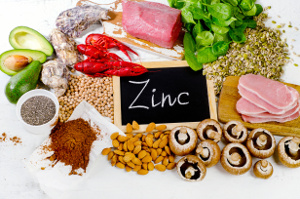
Vegetarians often lack zincZinc is crucial for the immune system on multiple fronts. Animal-based foods such as meat and eggs are the best sources, as zinc from plant-based sources is less readily absorbed. As a result, vegetarians and vegans often have insufficient zinc intake. On the other hand, zinc supplementation can enhance the production of interferon and other components of the immune system, which are particularly important for defending against viral infections. This is highlighted in a study published in Clinical Nutrition. It is also important to note that aging and certain medications can increase the risk of zinc deficiency.

Learn more about how vegetarians often lack zinc – and how supplements strengthen their immune system

  • Created on .

Omega-3 fatty acids support mood and prevent dementia

Omega-3 fatty acids support mood and prevent dementiaExperiencing an excess of negative emotions such as anxiety, anger, sadness, and worry is also referred to as neuroticism. Research indicates that neuroticism is associated with low levels of the omega-3 fatty acid DHA, which over time may increase the risk of vascular dementia. This emerges from a large population study, where the authors highlight the particular importance of omega-3 fatty acids for the brain, nervous system, and circulatory system. Overall, ensuring adequate omega-3 intake appears beneficial for both mood and cognitive function.

Learn more about how omega-3 fatty acids support mood and prevent dementia

  • Created on .

Vitamin C deficiency increases the risk of respiratory infections

- and supplementation has a therapeutic effect

Vitamin C deficiency increases the risk of respiratory infectionsRespiratory infections are a leading cause of illness and, in some cases, can become so complicated that they pose a life-threatening risk to vulnerable groups, which is why the body’s immune system and antioxidant defense are crucial. According to a population study published in Nutrients, with a special focus on children and adolescents, supplementation with vitamin C may play a therapeutic role in preventing and treating respiratory diseases.

Read more about how vitamin C deficiency increases the risk of respiratory infections

  • Created on .

Sleep deprivation, obesity, and vitamin D deficiency are all linked together

Sleep deprivation, obesity, and vitamin D deficiency are all linked togetherSleep deprivation, which is widespread, poses a significant risk to both physical and mental health. Research suggests that people with a high BMI are more likely to be vitamin D-deficient, which in turn can affect both body weight and sleep quality. Overall, vitamin D appears to influence sleep quality both directly and indirectly by affecting BMI. This is the conclusion of a large American population study published in Frontiers in Nutrition. The researchers suggest that vitamin D supplementation may improve sleep quality - particularly when it also helps regulate body weight. But how exactly does vitamin D influence sleep and weight? And how much do we really need?

Read more about the link between sleep deprivation, obesity, and vitamin D deficiency

  • Created on .

Q10 counteracts the harmful effects of aluminum on the brain

Q10 counteracts the harmful effects of aluminum on the brainA study published in RSC Advances shows that Q10 supplementation can reduce the harmful effects of aluminum, which is found in, among other things, cookware, aluminum foil, deodorants, refined table salt, vaccines, and several types of medicine. The researchers also describe how Q10, as a unique antioxidant, helps protect nerve cells and the hippocampus – the brain’s center for memory, spatial orientation, and the formation of new nerve cells.

Read more about how Q10 counteracts the harmful effects of aluminum on the brain

  • Created on .

“Plant-based meat” increases the risk of depression in vegetarians

“Plant-based meat” increases the risk of depression in vegetariansA plant-based diet often lacks important amino acids, vitamins, minerals, and fatty acids. A large population study published in Food Frontiers shows that vegetarians who consume plant-based meat substitutes have a 42 percent higher risk of developing depression. They also have higher blood pressure and a tendency toward chronic inflammation.

Read more about how “plant-based meat” increases the risk of depression in vegetarians, among other things

  • Created on .

Q10 supplements help regulate blood pressure

Q10 supplements help regulate blood pressureCardiovascular disease remains the leading cause of death, and many people have high blood pressure without knowing it. Diet, lifestyle, and the natural ageing process all play a significant role. In addition, supplementation with Q10 appears to lower systolic blood pressure, especially when taken in appropriate doses over an extended period. This is highlighted in a meta-analysis published in the International Journal of Cardiology Cardiovascular Risk and Prevention. The researchers describe Q10 as a unique molecule with several mechanisms that benefit the circulatory system and blood pressure. The body's own Q10 production decreases with age and when using certain types of medication, and high blood pressure itself seems to increase the need for the compound.

Read more about how Q10 supplements help regulate blood pressure

  • Created on .

Chronic fatigue tied Alan to his bed but Q10 capsules saved him:

Chronic fatigue tied Alan to his bed but Q10 capsules saved him "After about one week of taking the Q10 supplement I could feel a huge difference," says 23-year old Alan Piccini, who has been suffering from extreme fatigue and muscle aches ever since he was a child.

Read more

Cholesterol-lowering without side effects:

Cholesterol-lowering without side effects:“Taking capsules with co-enzyme Q10 has freed me of the severe side effects of my cholesterol lowering medicine,” Mrs Franken explains.
Read more